

The Looming Ecological Crisis in Sindh
Shah Zaman Bhangar
Karachi: Extreme heat, heavy rains, cloudbursts, floods, urban flooding, land degradation, declining wildlife populations, and sea intrusion into farmland are not just effects of climate change. Together, they reflect a deepening ecological crisis in Sindh that is steadily worsening and placing the region under increasing environmental stress each day.
In Sindh, coastal mangrove forests and riverine (Kacha) forests are rapidly disappearing. Years of illegal logging have dealt a fatal blow to forests like Shah Belo, Keti Lalo, Helai, Sado Jhao, Pai, Miani, Helaro, and several others.
The Stark Reality of Forest Cover
According to official statistics, Sindh has a total geographical area of around 34.3 million acres (approximately 14 million hectares), of which about 2.29 million acres are recorded as forest land.
This includes nearly 600,000 acres of riverine forests and around 200,000 acres of riverbank or inland forests, bringing the officially reported forest cover to about 6.67 per cent of the province’s total area.
However, satellite surveys and independent assessments, including reports such as Plant for Pakistan, suggest that the actual forest cover is significantly lower, estimated at only 2 per cent to 2.5 per cent. 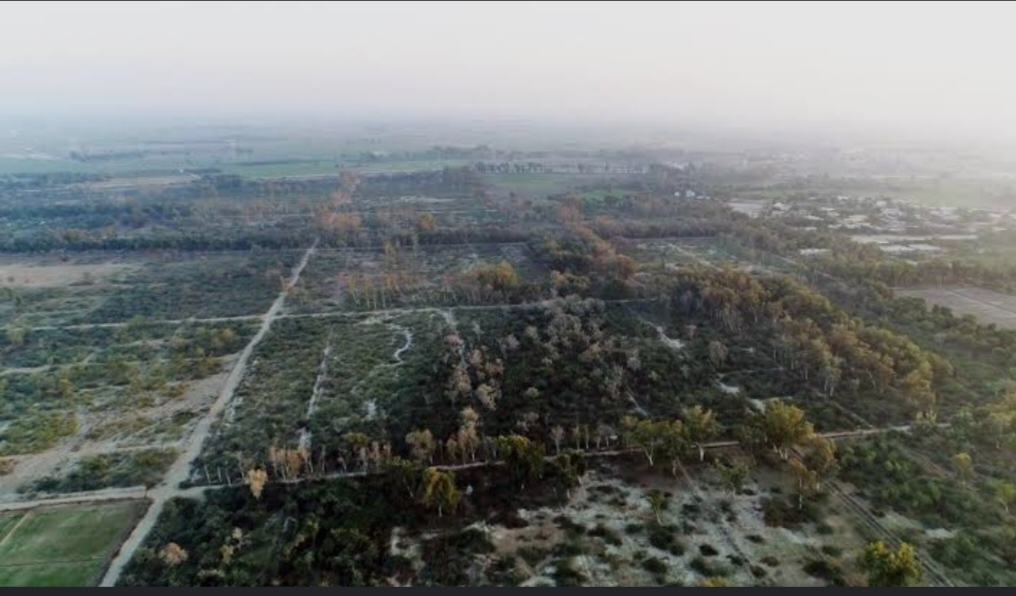 Experts note that, for ecological balance, international standards recommend that at least 25 per cent of a region’s land area should be under forest.
Several forest areas across Sindh are facing severe degradation due to encroachment, reduced water flow, and illegal logging, according to local records and environmental assessments.
In the Keti Shah Belo area of Sukkur and Shikarpur districts, official figures show the forest once covered between 25,000 and 30,000 acres. However, around 60% to 70% of this land is now reportedly under illegal occupation, with large portions cleared for wheat and cotton cultivation.
Read More: https://thepenpk.com/when-borders-close-mohmands-farmers-pay-the-price/
Similarly, the Keti Lalo and Helai forests in the Khairpur and Larkana riverine belt once stretched over nearly 20,000 acres.
These forests have largely disappeared due to reduced seasonal flooding from the Indus River and reported logging activities carried out in the name of clearing criminal hideouts. Much of the area is now barren or converted into farmland.
In the Sado Jhao forest of Shaheed Benazirabad district, spanning about 18,000 acres, tree growth has significantly declined due to reduced water availability in the Indus River and encroachments by influential landholders, leaving large areas dry and unproductive.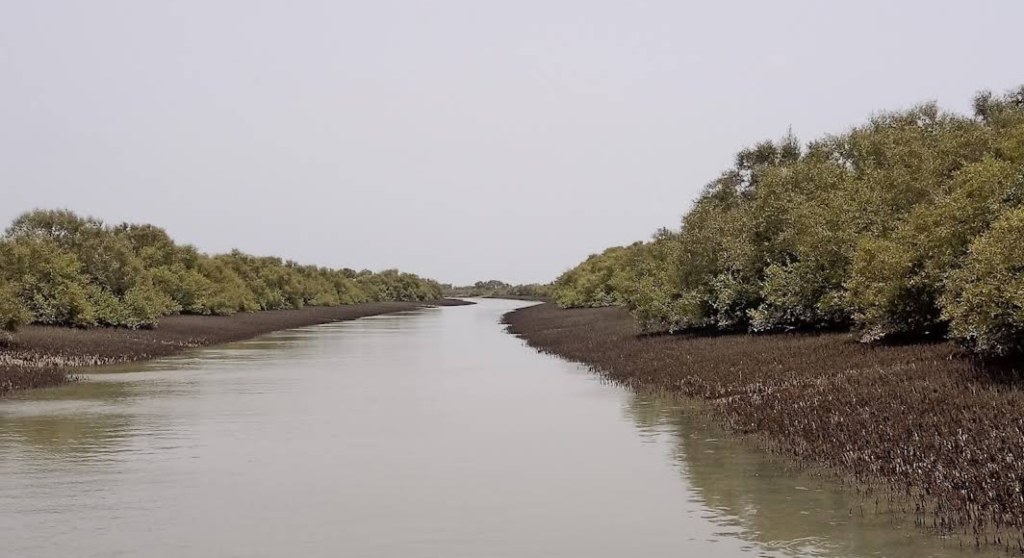 The Pai forest in Naushahro Feroze district, covering around 5,000 to 6,000 acres, was once known for its dense vegetation of Ber, Babool, and Tali trees. However, satellite imagery indicates it has suffered extensive damage due to large-scale illegal logging.
Forests in Decline
A major factor behind the ongoing degradation of Sindh’s forests is the inadequate flow of water to the lower Indus River, which has weakened natural regeneration in riverine and deltaic ecosystems.
Environmental observers also point to past government policies that allowed forest lands to be leased out for cultivation under the banner of “agro-forestry,” which they say contributed significantly to long-term deforestation and land conversion.
In recent years, following directives from the Sindh High Court and the Supreme Court of Pakistan, anti-encroachment operations have been launched to recover occupied forest land. However, officials and experts acknowledge that these efforts have so far produced limited visible improvement on the ground.
Amid worsening environmental conditions, debates have emerged over the future approach to conservation in the province, raising questions about whether forest recovery efforts will rely on genuine afforestation or shift toward corporate-driven models.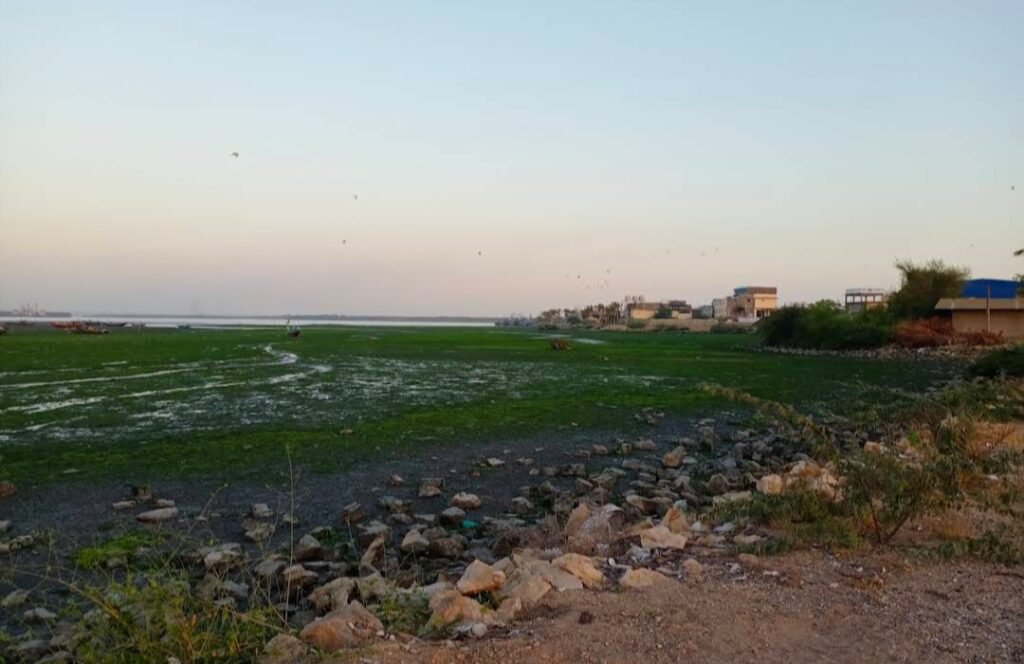 To address the growing impacts of climate change and global warming, experts stress the need for urgent and coordinated action from both government institutions and the public, warning that continued inaction could make parts of the region increasingly uninhabitable.
At present, large-scale reforestation projects have been initiated in areas such as Miani and Pai forests under public-private partnerships and corporate forestry initiatives. However, these projects have faced criticism and concern from local communities, who question their transparency and long-term intentions.
As these initiatives expand, a key question remains: whether they represent a sincere effort to restore degraded ecosystems, or whether they will become another avenue for commercial exploitation under the guise of environmental restoration.

Comments are closed.