

The Five Craziest Plans Ever to Change Earth’s Climate
News Desk
Islamabad: As the world grapples with rising temperatures and increasingly severe climate change, scientists are exploring advanced technologies to help cool the planet.
While today’s climate solutions focus on carbon removal, renewable energy and solar geoengineering, history is filled with far more ambitious, and often astonishing, proposals to reshape Earth’s climate.
From draining the Mediterranean Sea to detonating nuclear bombs in the Arctic, these ideas reveal just how far humans have been willing to go in pursuit of a more habitable planet.
The Atlantropa Plan: Draining the Mediterranean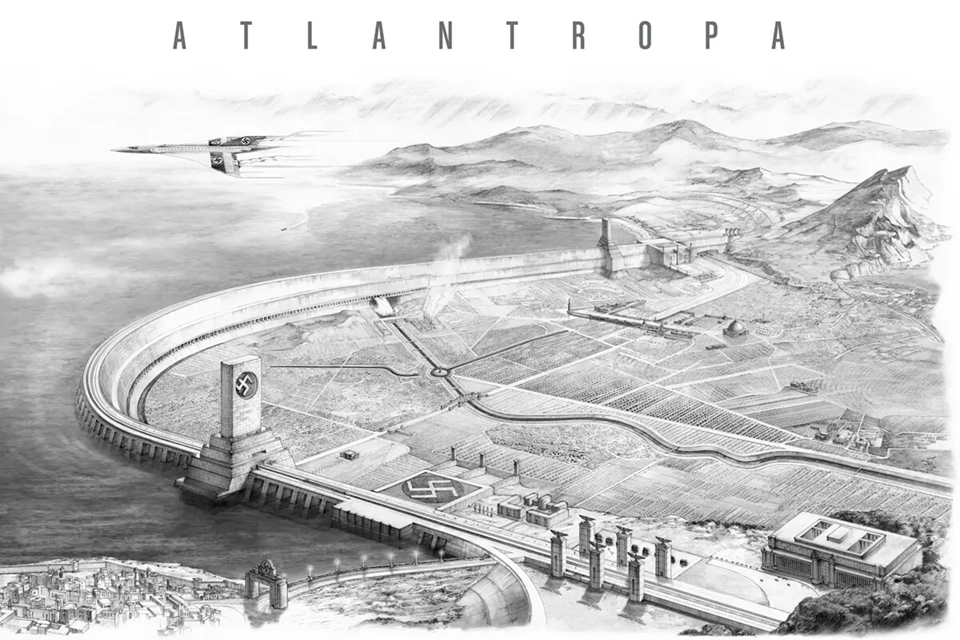
Proposal to Build a Giant Dam Linking Africa and EuropeIn the 1930s, German engineer Hermann Sörgel proposed one of the most audacious engineering projects ever conceived.
Known as the Atlantropa Plan, the proposal called for constructing a massive dam across the Strait of Gibraltar, linking Europe and Africa. Sörgel believed the project would lower the Mediterranean Sea by about 200 metres, exposing millions of acres of fertile land for agriculture and settlement.
The concept attracted serious attention at the time, with engineers producing detailed designs. Although never implemented, the proposal remained under discussion well into the 1960s before ultimately fading away.
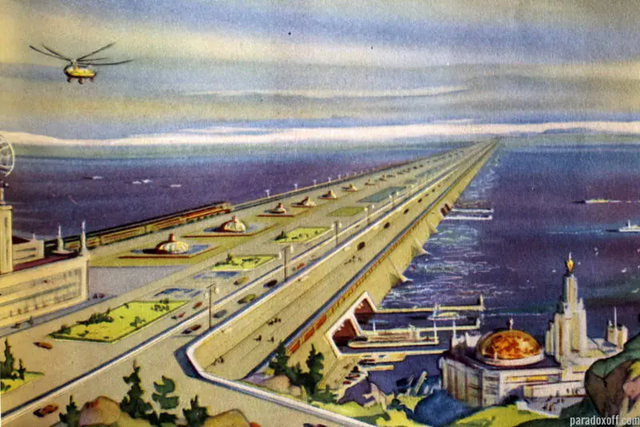
2.Stalin’s Vision to Warm the Arctic
Cold weather posed a constant challenge for the former Soviet Union, prompting scientists to consider dramatic ways to warm the region.
Engineer PM Borisov suggested building a giant dam across the Bering Strait to alter ocean currents and raise global temperatures by around two degrees Celsius. The idea was that warmer waters would melt Arctic ice, making Russia’s climate more productive.
Other Soviet scientists proposed an equally extraordinary alternative, excavating a massive channel through the Thomson-Wyville Ridge beneath the Arctic Ocean.
These proposals became part of the Soviet Union’s Great Stalin Plan for the Transformation of Nature, launched in 1948 to reshape the country’s environment through large-scale engineering. Despite years of discussion, economists argued that the enormous costs made the projects impractical.
3. Nuclear Bombs as Climate Tools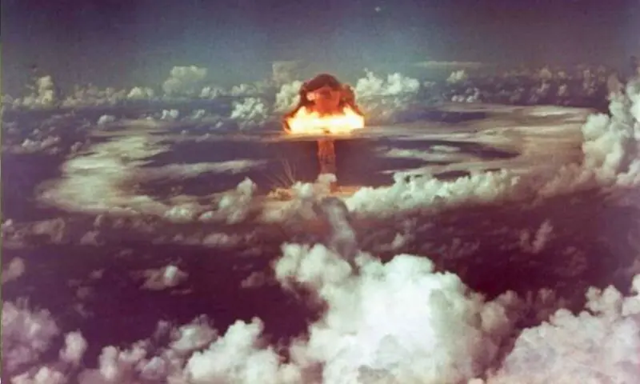 The dawn of the nuclear age inspired some remarkably unconventional thinking.
Harry Wexler, a senior American meteorologist, once suggested that detonating several hydrogen bombs over the Arctic ice cap could permanently create milder summers in the region.
The Soviet Union also experimented with using nuclear explosions for civil engineering. In one programme, three atomic devices were detonated in an attempt to redirect rivers.
The results proved disappointing. The explosions created only a relatively short canal while spreading dangerous radioactive contamination, bringing the project to an end.
Russia’s Attempt to Create a Second Moon
In the 1990s, Russia launched an ambitious project aimed at extending daylight without generating electricity.
Known as Project Znamya, the programme involved deploying satellites equipped with giant reflective mirrors to bounce sunlight onto dark northern regions during the night.
The first experiment briefly illuminated an area roughly five kilometres wide, demonstrating that the concept could work. However, a later mission failed after equipment became entangled with the space station, and financial difficulties eventually forced Russia to abandon the project.
4.Building Mountains Across Australia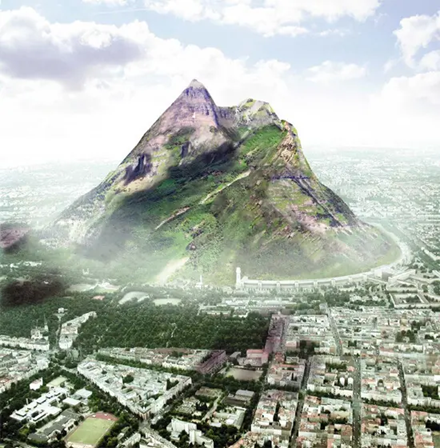 Australian writer Laurie Hogan believed much of his country’s harsh climate was caused by its lack of mountain ranges.
In 1989, he proposed constructing an artificial mountain chain stretching 2,000 kilometres and rising four kilometres high across the continent. He argued the barrier would alter rainfall patterns and transform vast desert regions.
When the idea failed to gain public support, Hogan even formed a political party to campaign for the proposal.
Later calculations showed that building such a mountain would require more rock and soil than humanity had excavated throughout recorded history, rendering the project virtually impossible.
From Science Fiction to Modern Geoengineering
Although these grand schemes never became reality, they illustrate humanity’s long-standing desire to control nature through technology.
Today, scientists continue researching geoengineering techniques, including carbon capture, cloud brightening and solar radiation management. Unlike many of the historical proposals, modern approaches are generally designed to be more targeted, scientifically tested and environmentally cautious.
Yet the debate remains unresolved. As climate change accelerates, experts continue to ask a fundamental question: can technology safely reshape Earth’s climate, or must humanity learn to adapt to a rapidly changing world while reducing the emissions that caused the crisis in the first place?

Comments are closed.