

99% Cannot Afford Genetic Tests in Pakistan, Strive CEO Warns
Asma Ghani
ISLAMABAD: Nearly 99 percent of Pakistan’s population cannot afford genetic testing due to its high cost, leaving thousands of families vulnerable to delayed diagnosis and inadequate treatment of inherited and rare diseases, Strive Eradication of Disability Foundation CEO Yasir Khan warned.
Speaking at a one-day summit titled “Future Health 2035”, Khan called for greater government intervention to make genetic testing and healthcare services accessible to all, stressing that access to healthcare was a fundamental right, regardless of how rare or common a disease might be.
The summit was organized by the Strive Eradication of Disability Foundation in collaboration with the Pakistan Poverty Alleviation Fund to highlight the growing importance of genetic science in identifying inherited disorders and improving healthcare services in Pakistan.
The event brought together medical specialists, researchers and healthcare professionals from various fields to discuss inherited disorders, genetic diagnosis and emerging developments in genomic science. A healthcare expo was also held alongside the conference to showcase advancements in the sector.
During a panel discussion, experts expressed concern that families dealing with genetic and rare diseases largely depend on personal and family support due to the absence of a national-level institution or coordinated support system in Pakistan.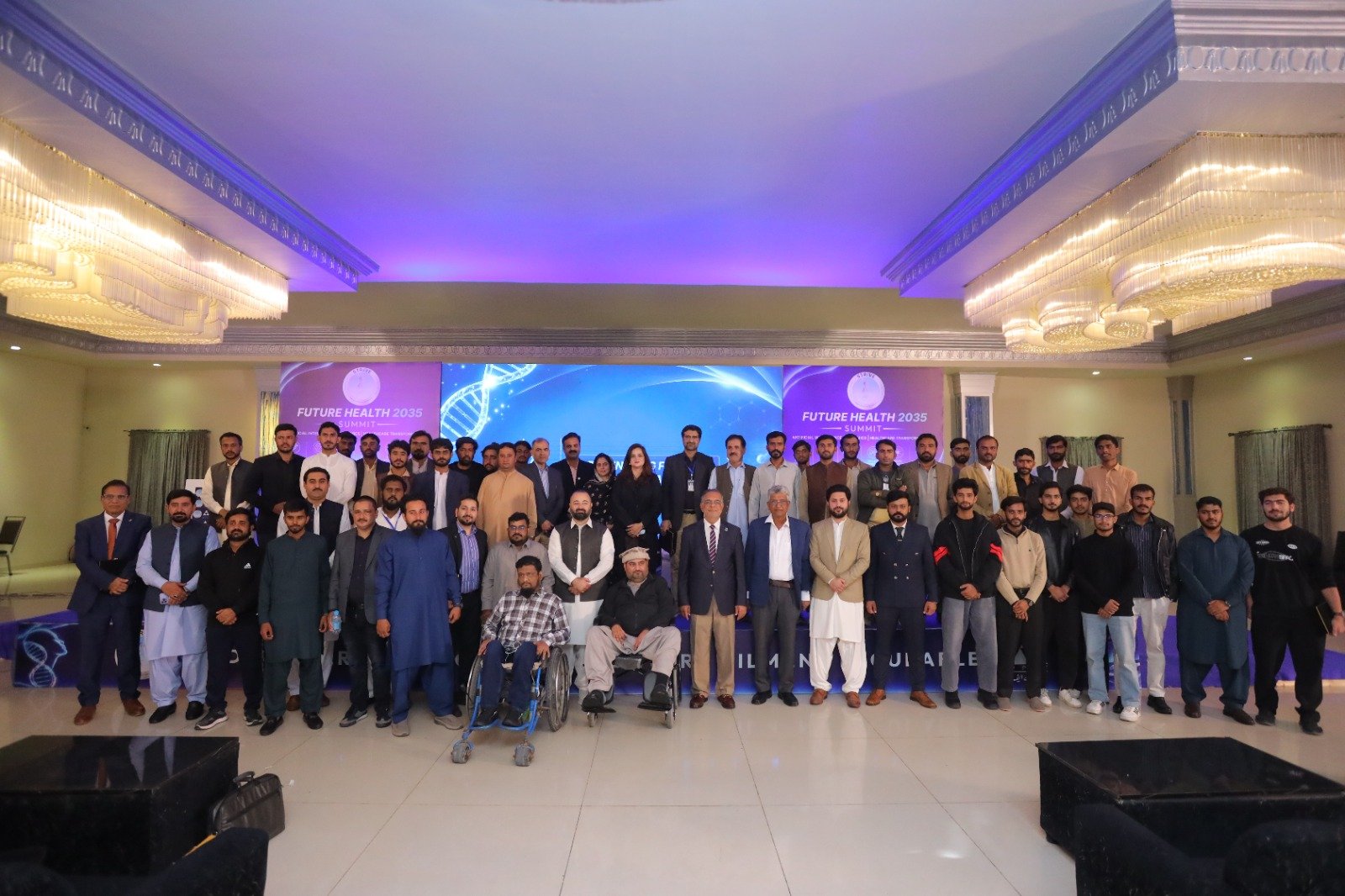 Dr Salman Kirmani, Medical Geneticist at Aga Khan University Hospital, Karachi, said parents of children with Spinal Muscular Atrophy (SMA) had little institutional or community-level support in the country.
He pointed out that Pakistan lacked a dedicated national genetic institute comparable to international organizations working for people affected by rare genetic conditions.
Dr Kirmani observed that while the government allocates substantial resources to polio eradication, diseases such as SMA receive considerably less attention. He added that rare diseases could not be considered uncommon in Pakistan, given its large population and the prevalence of consanguineous marriages.
Dr Fizza Akbar, Genetic Counsellor at Aga Khan University Hospital, Karachi, said approximately 60 percent of marriages in Pakistan take place within families, making inherited disorders a significant public health concern.
She explained that when both parents are carriers of a particular genetic condition, there is a 25 percent chance that their child will inherit the disorder. Early diagnosis can help families understand and manage certain conditions through available medical interventions, although treatment does not necessarily prevent transmission of the genetic disorder.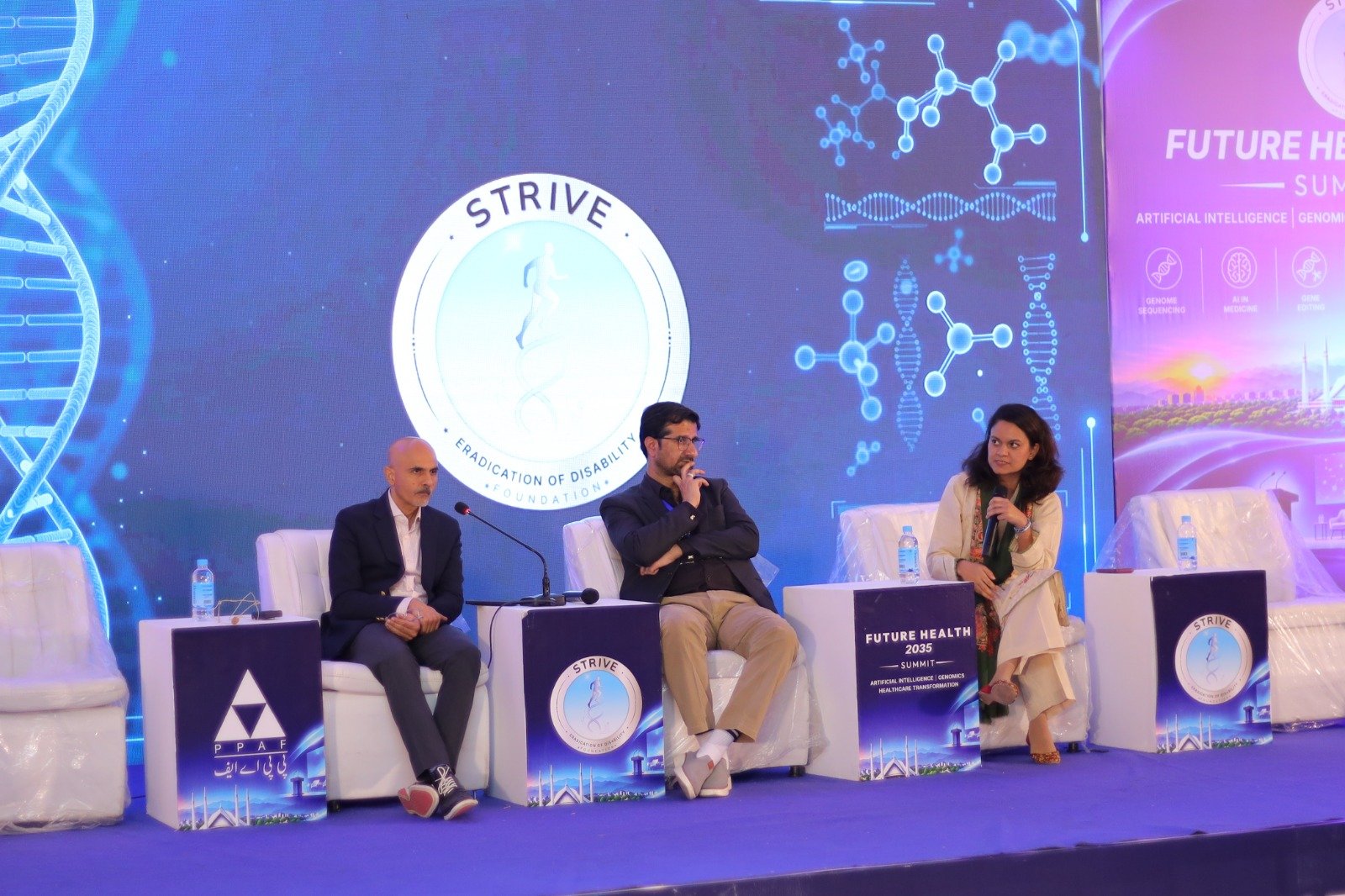 Dr Kirmani said prenatal testing could identify certain genetic conditions during pregnancy, including within the first 120 days. Referring to religious guidance, he said a decree by Jamia Al-Azhar and a consensus among religious scholars supported the termination of pregnancy in certain life-threatening medical circumstances.
Meanwhile, Dr Jawad Hassan, Molecular Geneticist at Shifa International Hospital, said genetic disorders were frequently associated with disabilities and required specialized, multidisciplinary healthcare.
However, he regretted that such services remained largely unavailable in Pakistan, except at a limited number of tertiary-care hospitals.
Highlighting broader healthcare challenges, Dr Isaac John, who has 40 years of international experience in the health sector, said education and healthcare were considered fundamental rights in Europe. In Pakistan, however, budgetary limitations had restricted the country’s ability to effectively address even major infectious diseases, making the challenges associated with genetic healthcare particularly difficult.
Dr Farhan Ali, Consultant Pediatric Neurologist at Frontier Corps Teaching Hospital, Peshawar, said the number of SMA patients he encountered had increased considerably.
He said that previously he would see one or two patients a month, whereas the number had now risen to three or four. However, many cases remained undiagnosed because of limited awareness and inadequate diagnostic facilities.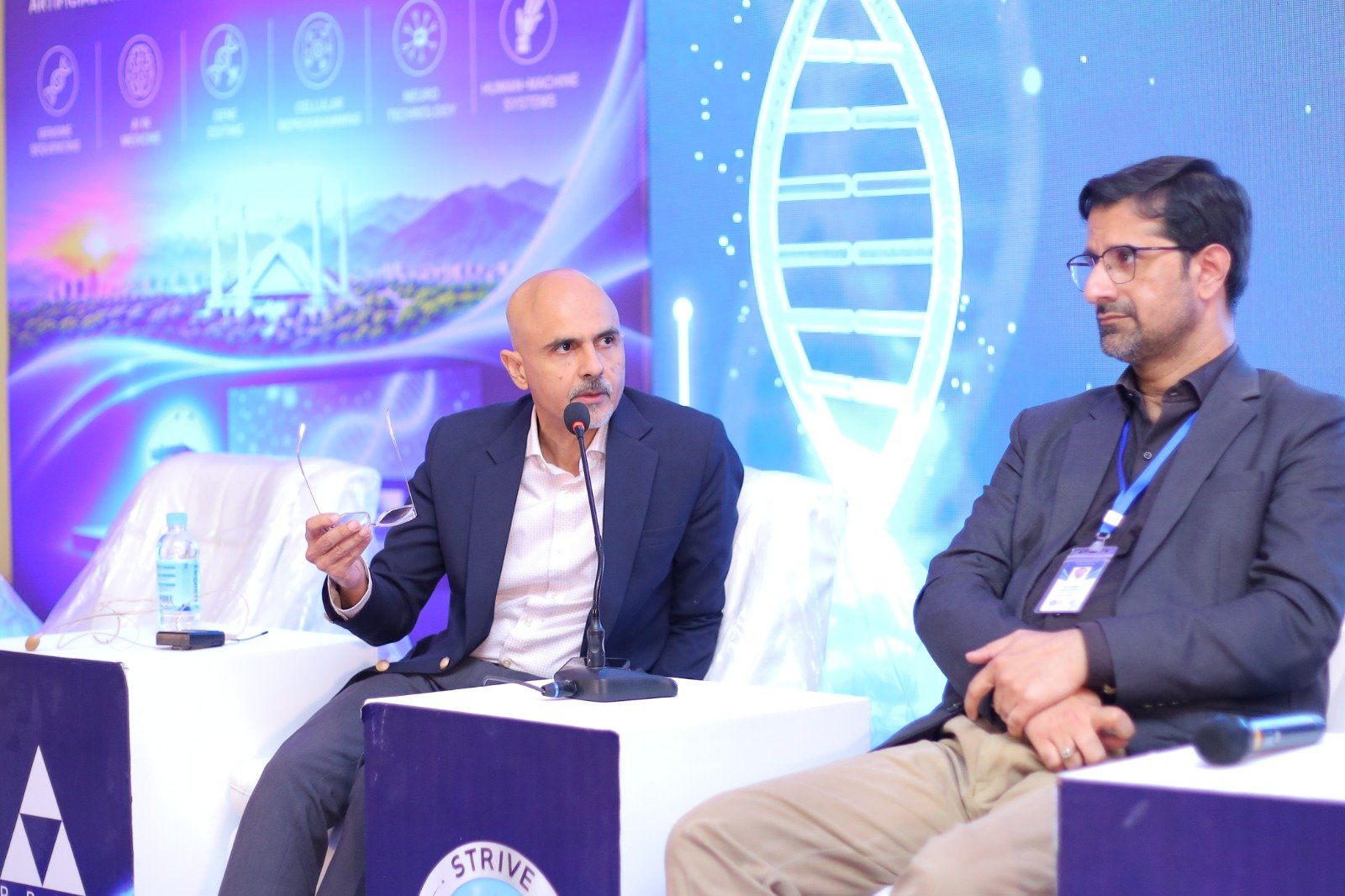 Sharing an example, Dr Farhan said a woman had approached him after losing three children to pneumonia. Further medical investigation revealed that the children had actually been suffering from SMA, highlighting how the lack of timely diagnosis could prevent families from understanding the underlying causes of repeated childhood deaths.
The challenges faced by affected families were also highlighted by Haris Tariq, a father of a four-year-old child with SMA. He said raising funds for treatment was particularly difficult because of limited public awareness about the severity of the disease, its lifelong consequences and the enormous cost of medication.
He said families were sometimes criticized for seeking donations despite belonging to middle-income backgrounds, as people often failed to understand that even a few doses of the required medicines could cost millions of rupees, while treatment remained a lifelong financial burden.
Strive CEO Yasir Khan urged citizens to raise their voices for better healthcare facilities and questioned why the government, with substantially greater resources, could not provide services that a small organization like Strive was attempting to arrange for children affected by genetic disorders.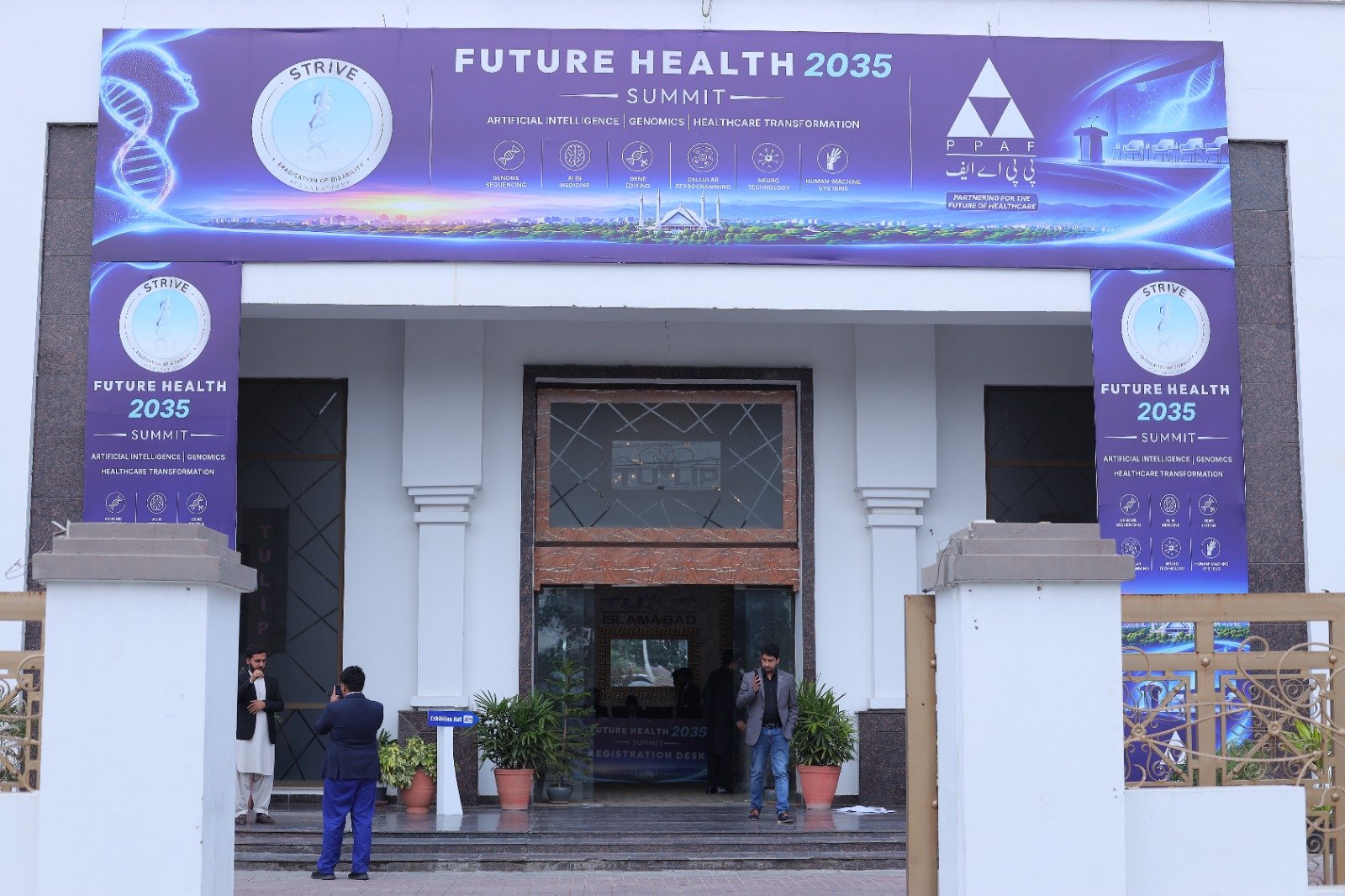 He also appreciated the previous Khyber Pakhtunkhwa government for showing willingness to arrange healthcare services for its people and stressed the need for stronger public-sector commitment to genetic healthcare.
Both Spinal Muscular Atrophy (SMA) and Duchenne Muscular Dystrophy (DMD) are inherited, progressive neuromuscular disorders that cause muscle weakness and affect mobility. Although they have different genetic causes and clinical characteristics, both conditions require timely diagnosis, sustained medical care and specialized support.
The discussions at Future Health 2035 underscored the need for a comprehensive national strategy focusing on affordable genetic testing, early diagnosis, public awareness, specialized treatment facilities and institutional support for families affected by inherited disorders.
