

These Pakistani Dramas Reached UAE in Suitcases
News Desk
Islamabad: Long before satellite television brought Pakistani dramas directly into living rooms across the United Arab Emirates (UAE), a much simpler technology was carrying them across the border: videotapes tucked inside travellers’ luggage.
For Pakistani families living in the UAE, getting their hands on a new drama was once nothing like switching on a television channel. Recorded cassettes would make their way from Pakistan to cities such as Sharjah and Abu Dhabi, often travelling quietly in suitcases before being passed from one household to another.
By the time a cassette reached its fourth or fifth home, the picture might have become grainy and the tape itself worn out. Yet nobody seemed to care.
The attraction was not the quality of the picture. It was the story, the characters and, perhaps most importantly, the experience of watching them together.
A report by Gulf News has revisited five Pakistani television classics that became particularly memorable among the Pakistani community in the UAE during that era. These dramas were more than entertainment, they became a shared cultural connection for families living thousands of kilometres from home.
Dhoop Kinare
A romance that travelled far beyond Pakistan
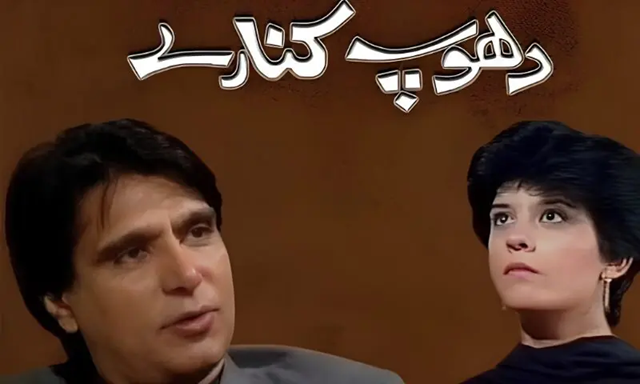
Few Pakistani dramas have retained the emotional appeal of Dhoop Kinare, which first aired in 1987.
Written by Haseena Moin and directed by Saira Kazmi, the 13-episode drama featured Marina Khan and Rahat Kazmi as doctors working at a Karachi hospital.
The contrast between their personalities, combined with the understated romance, made the series a television favourite.
Its popularity extended beyond its original broadcast, with videotapes helping introduce the drama to Pakistani households in the UAE.
The drama’s music became equally memorable. Nayyara Noor’s rendition of Faiz Ahmed Faiz’s poetry in the background added an emotional dimension that continues to resonate with audiences decades later.
Tanhaiyaan
When television gave women a new voice
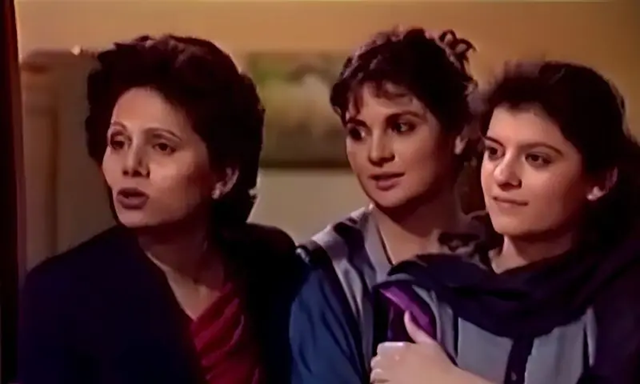
Another Haseena Moin classic, Tanhaiyaan, arrived on television in 1985 and quickly became one of the defining dramas of its generation.
Directed by Shahzad Khalil, the series starred Shahnaz Sheikh, Marina Khan and Behroze Sabzwari.
Its story followed two sisters who lose their parents and home and are forced to rebuild their lives independently.
The drama stood out for presenting women as capable of making their own decisions and shaping their futures, while maintaining the humour and warmth that became a trademark of Moin’s writing.
Un Kahi
The character Pakistan could never forget
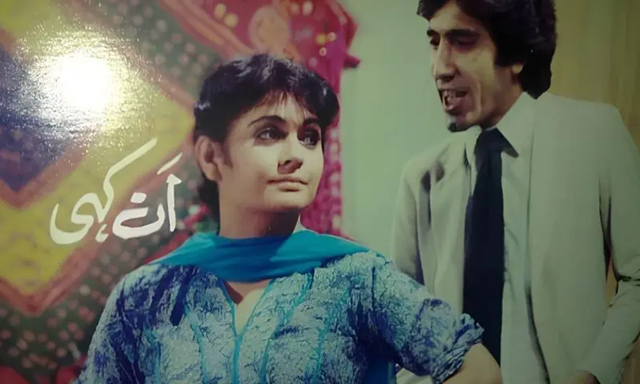
Before memes and viral television moments, there was Sana Murad.
Played by Shahnaz Sheikh in ‘Un Kahi’, the quick-witted young woman became one of the most recognisable characters in Pakistani television history.
The 1982 drama, also written by Haseena Moin, featured Javed Sheikh, Behroze Sabzwari and Qazi Wajid alongside Sheikh.
Sana Murad was portrayed as a middle-class, relatively less-educated but exceptionally sharp woman whose intelligence and wit helped her navigate difficult situations. The character became so deeply embedded in popular culture that her name remains familiar to generations of viewers.
The drama’s reach was not confined to Pakistan. Its videotape journey into the UAE helped establish it as another cherished memory among Pakistani families abroad.
Alpha Bravo Charlie
Friendship, army life and patriotism
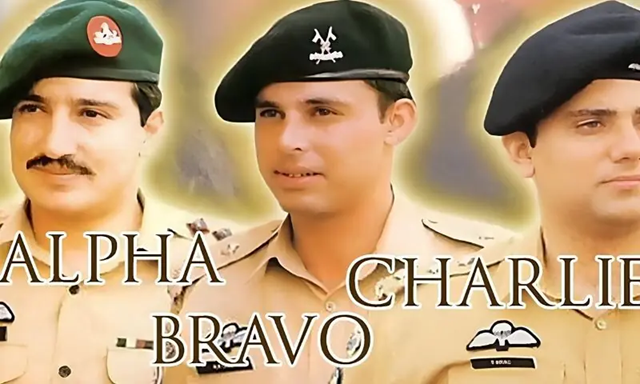
In 1998, Alpha Bravo Charlie offered audiences something different.
Created by Shoaib Mansoor, the drama followed three friends who joined the Pakistan Army and explored their lives beyond military training.
Its combination of friendship, sacrifice and patriotism struck a chord with viewers.
Unlike many studio-based productions of its time, the series was filmed across outdoor locations, giving it a visual style that helped distinguish it from conventional television dramas.
For Pakistanis living overseas, its themes of friendship and national identity carried an additional emotional weight, making the drama another title that found a lasting place in family video collections.
Ainak Wala Jin
The cassette that belonged to a generation of children
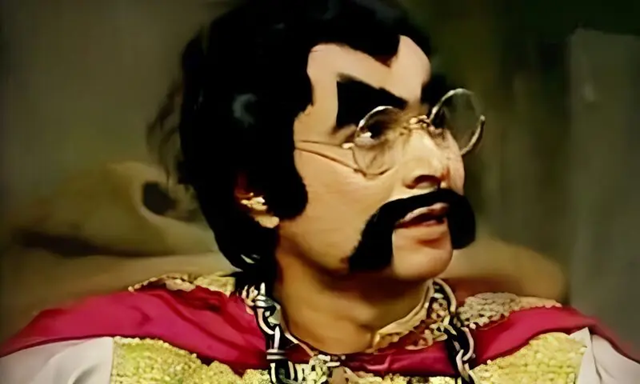
While adults had Dhoop Kinare and Tanhaiyaan, Pakistani children of the 1990s had their own television obsession: Ainak Wala Jin.
Launched in 1993 as a children’s drama, the fantasy series centred on a genie and a colourful collection of characters.
Zakoota Jin became particularly famous and remains one of the most recognisable characters from Pakistani children’s television.
The show’s popularity crossed generations and borders. P
akistani children in the UAE were able to experience the same characters and jokes as children watching in Pakistan, thanks to the videotapes circulating among families.
The series became so influential that its cast was invited to perform for British Princess Diana during her 1996 visit to Pakistan.
When a videotape became a piece of home
What made these dramas special was not simply their scripts or star-studded casts. Their journey into the UAE gave them another meaning.
A videotape arriving in a suitcase could bring a little piece of Pakistan into a living room in Sharjah or Abu Dhabi. Families gathered around a television, watched the same episodes repeatedly and then passed the cassette to relatives, friends or neighbours.
The tapes deteriorated, but the memories did not.
Decades later, characters such as Sana Murad and Zakoota Jin, romances such as Dhoop Kinare and Tanhaiyaan, and stories such as Alpha Bravo Charlie continue to evoke a television era when audiences did not need streaming platforms, satellite channels or social media to turn a drama into a cultural phenomenon.

Comments are closed.