
How Women Sustain Rural Agriculture
Ali Nawaz Rahimoo
Islamabad: Across the globe, especially in rural areas of developing countries, women play a significant role in agricultural, environmental, and social transformation and development. Their contributions often go unrecognized, yet are essential for achieving sustainable development.
Even at the center of agricultural productivity, women face numerous barriers, including limited access to credit, healthcare, education, and most of all, land ownership. All these challenges are intensified by climate change and ongoing food and economic crises.
Not only their potential is undermined amidst these challenges but the broader goals of economic growth and food security are also impacted. Giving women farmers the same access to resources as men farmers could result in a 4 percent rise in agricultural output in 34 developing nations, potentially reducing global hunger by millions.
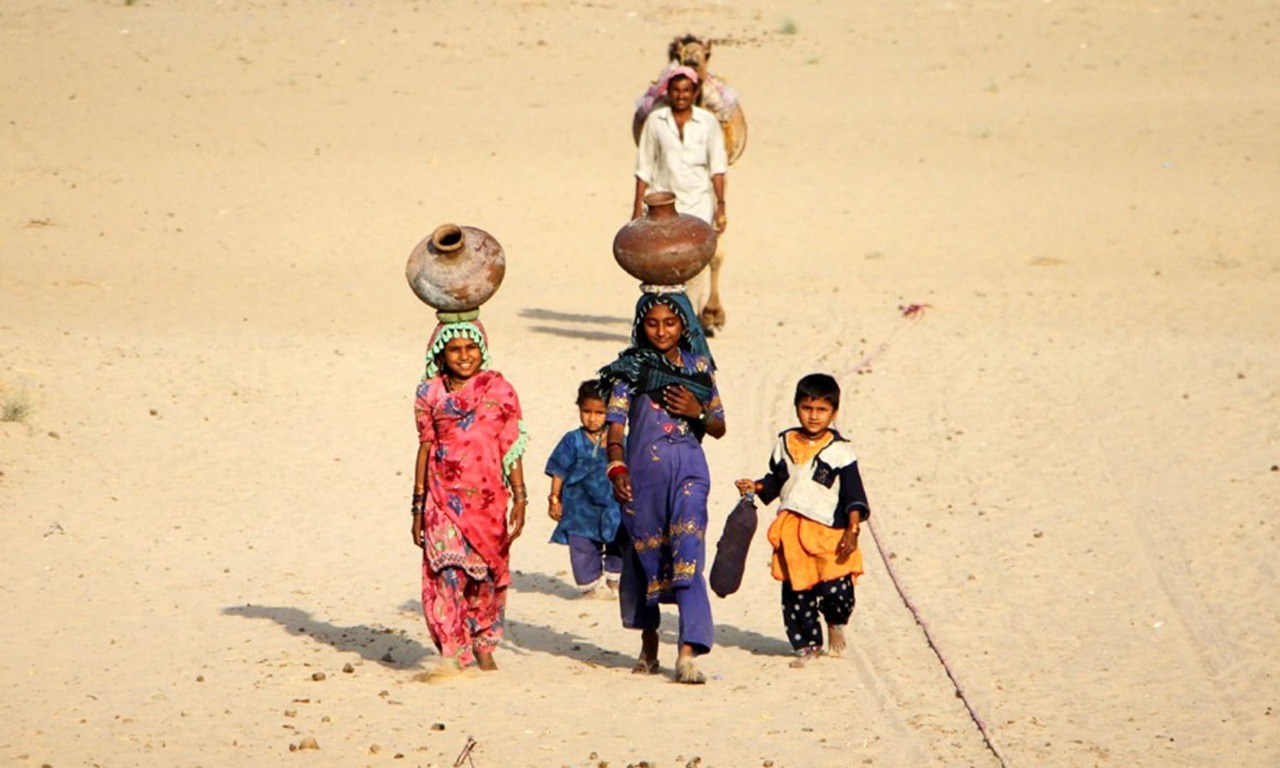
The rural economy of Pakistan has long benefitted from a diligent and efficient female labour force. Although present in every sector of rural economy, their concentration in agriculture is relatively high.From weeding and hoeing to grass-cutting, cotton picking, and firewood collection, they perform a wide range of physically demanding tasks. The responsibility of fetching water from distant sources, due to lack of clean water in village infrastructures, also falls on their shoulders.
Seamlessly blending domestic chores with fieldwork, their day begins at dawn and continues into dusk, a daily routine that is the silent foundation of Pakistan’s agricultural structure.
Women and Livestock
If we observe livestock, women play a critical role with them too. They manage milking, processing, and preparation of dairy products like butter and ghee. Livestock ownership supplements both food supply and household income.
Many families own at least a few animals, type and number depending on the land size, access to fodder, and cropping patterns. It is common rural-culture practice for women to receive livestock as a part of their dowry.
Read More: https://thepenpk.com/children-of-the-sewage-nation/
Research indicates that rural women earn an average of Rs. 8,780 per annum by selling away the livestock. This proves to be a crucial economic buffer.

Livestock maintenance activities such as cleaning sheds, feeding, milking, and collecting cow dung for fuel, are handled by women. The preparation of dung-cakes is an important income-generating practice, particularly among poorer families.The 2006-07 Labour Survey of Pakistan reveals that women perform 31 percent of animal feeding, 58 percent of milk processing, and 90 percent are involved in the dung cake preparation. Around 85 percent collect farmyard manure, and 69 percent are responsible for watering animals.
While men majorly manage veterinary care, the day-to-day livestock maintenance duties fall in women’s hands.
Poultry and Crop Work
Another major economic activity where women dominate at the household level is poultry farming. Women’s productivity in the area has been impressive despite minimal usage of modern techniques, vaccinations, and advanced feeds.
The annual earnings from poultry, proving their resourcefulness in challenging conditions, continue to rise.
One of the few agriculture activities almost exclusively handled by women includes cotton picking. According to labour statistics 89 percent of the female agricultural workforce is engaged in cotton picking 30 percent contribute to hoeing and 22 percent in weeding.
Other than agricultural work, women also manage a wide range of household responsibilities including cleaning, cooking, childcare, washing, tailoring, and sometimes sewing for additional income.
Food insecurity hits the food providers hardest. Malnutrition and poor health are common in women farmers.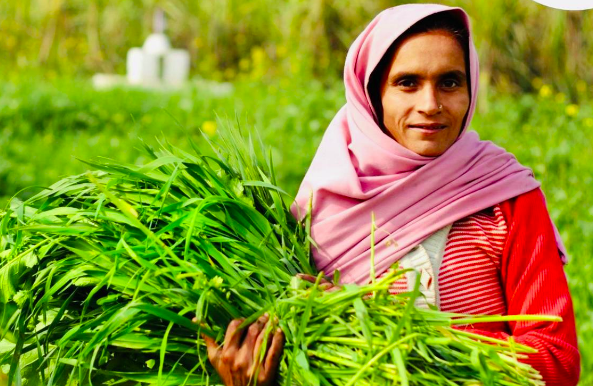 They continue to be excluded from agricultural policies and receive little to no institutional support. Despite their enormous input, their contributions remain invisible in economic metrics and decision making spaces.
Recognition and Empowerment
This imbalance should be rectified by policymakers. They must formally recognize the economic value of women’s unpaid and underpaid labour. Their work should be accounted for in monetary terms, this would be a great step towards empowerment.
Their access to land, agricultural extension services, and credit should also be ensured. Microfinance programs tailored for women can uplift their economic status, if and should be, accompanied by training in sustainable modern farming techniques.
Another challenge to women’s autonomy and land ownership are the deeply rooted discriminatory customs. Legal reforms and improved access to justice could assist in eliminating this as well.
Education also proves to be transformative. Improving literacy can uplift the entire community. Gender gaps in rural areas can be bridged by women’s learning and vocational training.
With many women trapped in cycles of extreme hardships, poverty continues to be a major challenge. Food security can only be achieved when women have assets, information, and agency to contribute fully to the agricultural systems and decision-making.
For this, structural and legislative reform is more than necessary, it’s overdue.

Comments are closed.