
“No Water, No Relief”: Gwadar Residents Protest Again
Zareef Baloch
Gwadar: Just over a year after residents of Gwadar were wading through stagnant fl
oodwaters inside their homes, they are now protesting in the scorching July heat — this time, over acute water scarcity.
In February 2024, unexpected winter rains wreaked havoc across the city, damaging hundreds of houses and leaving waterlogged streets and homes for days.
The sudden downpour caught locals off guard, as such heavy rainfall is unusual during that season. Now, in July 2025, Gwadar finds itself at the opposite extreme: parched and desperate for water.
With its population growing and mega development projects expanding, Gwadar’s water demand has soared. But supply systems have not kept pace, highlighting weak water governance and poor infrastructure planning in a region already vulnerable to climate change.
Only One Dam, No Alternatives
According to the Public Health Engineering Department, the Sod Dam remains the only operational source of drinking water for Gwadar and its adjoining areas. Work is underway by the Gwadar Development Authority to connect the Shadi Kor Dam, yet progress has been slow. The city primarily depends on rainwater, with virtually no backup water sources — a dangerous gamble in an increasingly erratic climate.
“Gwadar is a coastal city with rising sea levels and is already below sea level in some areas,” warned Pazeer Ahmed, Deputy Director of the Irrigation Department and a climate change expert. “Yet we have not invested in long-term strategies like desalination or effective groundwater recharge.”
Ahmed explained that Gwadar has three main water sources: groundwater, surface water, and desalination plants.
However, most of these remain non-functional or operate far below capacity, aggravating the crisis. He collected 427 groundwater samples over 45 days, which confirmed that over-extraction is leading to seawater intrusion, further contaminating the soil and fresh water.
A Tale of Mismanagement
Despite last year’s torrential rains, much of that water was wasted. “We failed to store or manage it,” said Nafeesa Baloch, a climate activist and founder of Zameek Balochistan. “Our dams weren’t maintained, and we didn’t build new ones. Today, we are suffering from drought despite being surrounded by water.”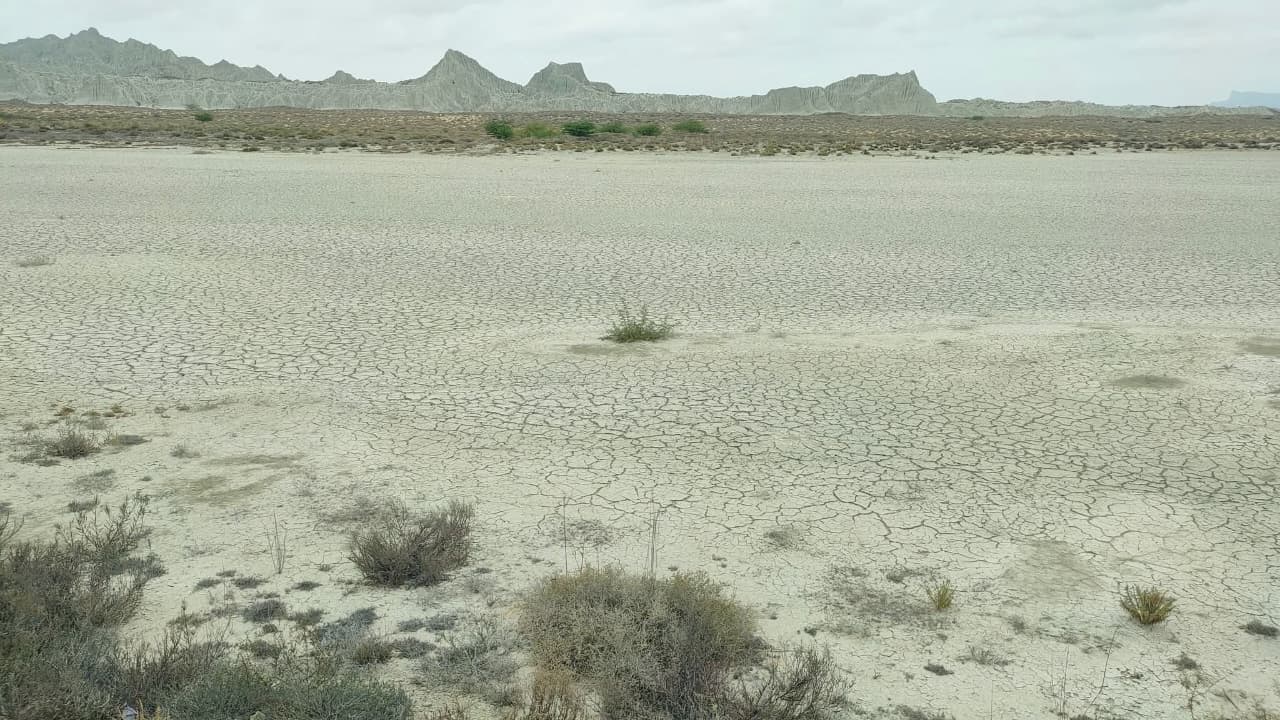 Nafeesa criticized the government for relying on unfiltered, acidic rainwater while ignoring the potential of seawater desalination. Her organization is now conducting awareness sessions in schools and colleges to educate citizens, particularly in coastal and remote areas, about the local impacts of climate change.
Women Bear the Brunt
“Women are disproportionately affected by this crisis,” Nafeesa added. “They walk miles to fetch water, care for children during floods, and are often displaced with no support.”
She urged the government to construct mini dams, invest in small-scale water ponds, repair existing infrastructure, and promote climate literacy among youth and communities. “It’s time to stop firefighting and plan for the long term,” she said.
Governance & Climate Challenge
Gwadar’s geography — a mix of eroded northern highlands and flood-prone river zones such as the Dasht and Talar Rivers — adds further complexity. Unplanned urban development, blocked water routes, poor drainage, and non-absorbent soil have turned seasonal rains into disasters.
“There are four types of floods in Gwadar. Each needs tailored solutions,” said Ahmed. He advocates for community-led water governance, small-scale recharge initiatives, and climate-resilient infrastructure.
“Large dams are costly and unsustainable for this region. We need data-driven planning and community engagement to build resilience,” he added.
As Gwadar stands at a crossroads between environmental vulnerability and developmental ambition, its future depends on how swiftly — and wisely — policymakers act. Without urgent reform, today’s protests may only be a prelude to deeper water and climate crises ahead.

Comments are closed.