
Internet Use Jumps from 17% to 57% in Pakistan: Survey
News Desk
Islamabad: The Pakistan Bureau of Statistics (PBS) on Thursday launched the country’s first-ever fully digital Household Integrated Economic Survey (HIES) 2024–25, revealing significant improvements in digital connectivity, education, health indicators and household living standards across the country.
The survey shows a sharp rise in digital inclusion, with smartphone access reaching 96 percent nationwide. Household internet access surged from 34 percent to 70 percent, while the proportion of individuals using the internet increased from 17 percent to 57 percent, reflecting rapid digital expansion in both urban and rural areas.
Federal Minister for Planning, Development and Special Initiatives Ahsan Iqbal formally launched the survey at a ceremony in Islamabad, calling the digital HIES a major milestone in Pakistan’s national data ecosystem.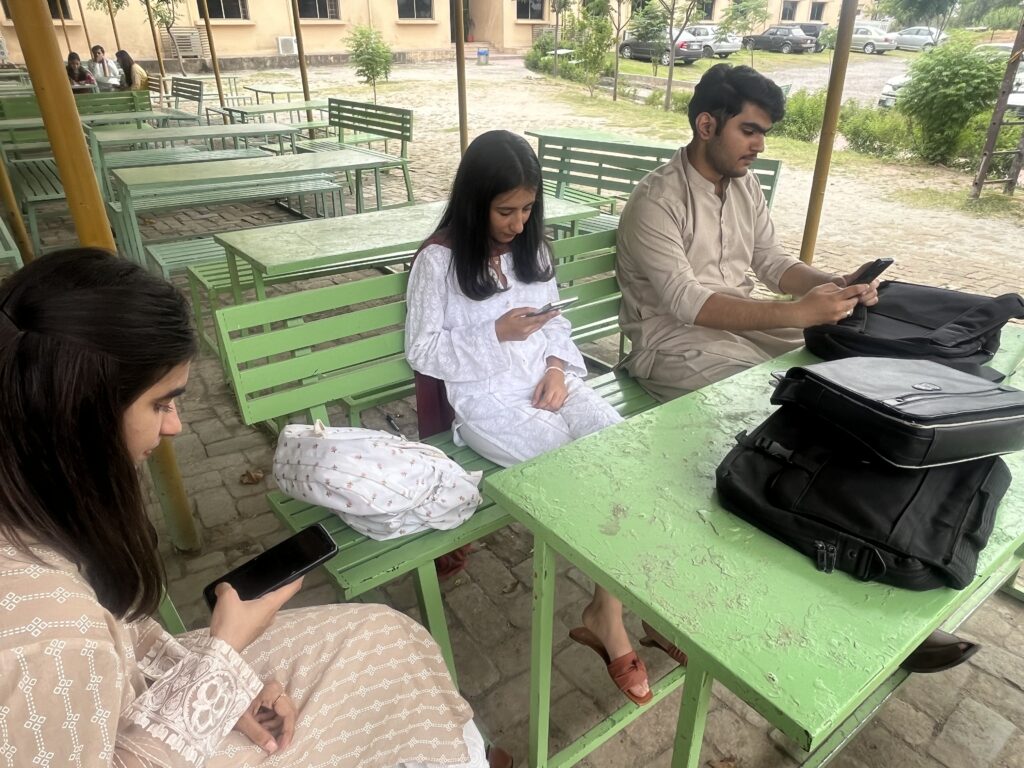 Addressing the event, the minister said credible, timely and technology-driven data was the backbone of effective public policy. He added that the transition to a fully digital survey demonstrated the government’s commitment to modernising statistical systems and aligning development planning with ground realities.
He noted that HIES data would play a critical role in informed decision-making, efficient resource allocation and monitoring progress towards national priorities and the Sustainable Development Goals (SDGs).
Presenting the key findings, Deputy Director General PBS Rabia Awan said the survey recorded encouraging trends across multiple social sectors.
Read More: https://thepenpk.com/new-yorks-new-mayor-looks-pakistani-internet-thinks-so/
The national literacy rate increased from 60 percent to 63 percent, while the proportion of out-of-school children declined from 30 percent to 28 percent. Gender parity at the primary level also improved significantly, rising from 92 percent to 96 percent.
In the health sector, record-based full immunisation coverage increased from 68 percent to 73 percent. The neonatal mortality rate declined from 41 to 35 per thousand live births, while infant mortality fell from 60 to 47 per thousand live births. The total fertility rate showed a marginal decline from 3.7 to 3.6 children per woman.
Energy use and living standards also showed gradual improvement. The share of households using clean fuels — including natural gas, LPG, biogas, solar energy and electricity — for heating, lighting and cooking increased from 35 percent to 38 percent.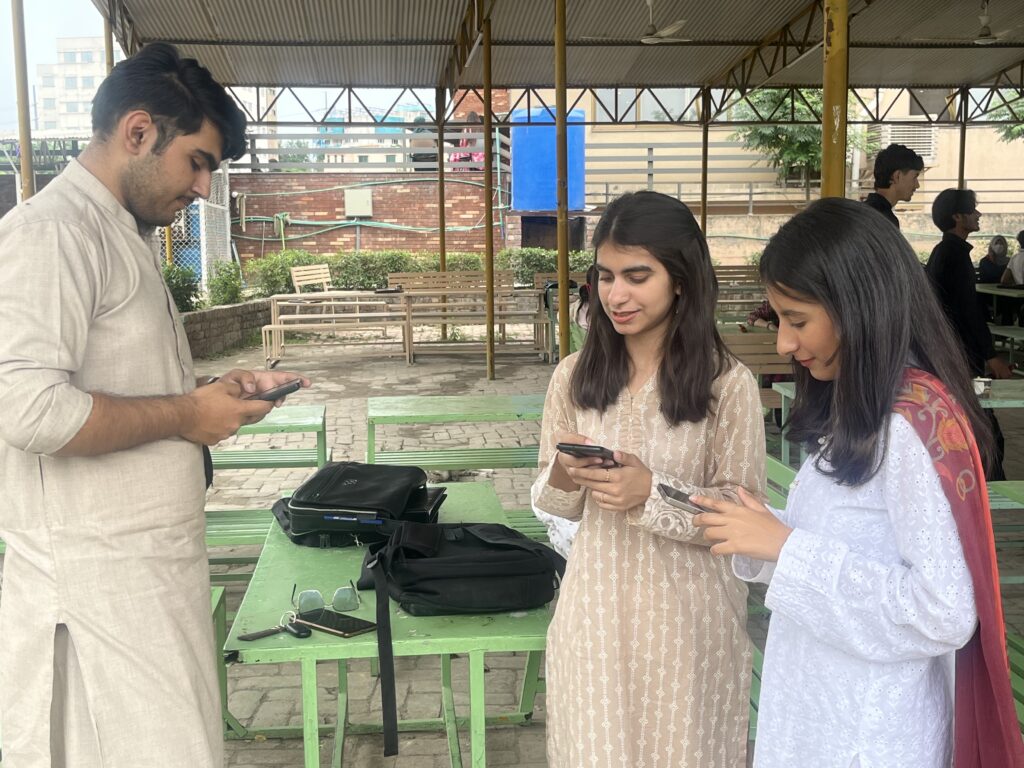 Household incomes and consumption levels rose, with food accounting for 37 percent of total consumption, followed by housing and fuel at 26 percent. Other major expenditure categories included restaurants and hotels (6.63 percent), clothing and footwear (6.28 percent) and transport (6.21 percent) at the national level.
PBS officials said the HIES 2024–25 provides a robust evidence base for inclusive, equitable and effective development policies across Pakistan.
Officials further informed that the survey has been successfully completed and its results formally released following endorsement by the Technical Committee. The event was attended by Chief Statistician Dr. Naeem uz Zafar (SI), Muhammad Sarwar Gondal (SI), Member (SS/RM), senior PBS officers, members of the Technical Committee and key stakeholders from the Ministry of Planning.
Conducted after the Digital Population and Housing Census 2023, the HIES 2024–25 is the first fully digital survey of its kind in Pakistan. Field operations were completed in June 2025 on a quarterly basis, covering a nationally and provincially representative sample of 32,000 households.
A fully integrated Enterprise Resource Planning (ERP) system was deployed for data collection, task management and real-time monitoring, significantly enhancing data quality, transparency and operational efficiency.
HIES has been monitoring Pakistan’s socio-economic indicators since 1963. The previous round was conducted in 2018–19, focusing on income and consumption patterns. The survey supports SDG monitoring and currently covers 31 of the 62 indicators reported by PBS.

Comments are closed.