

How Climate Change Is Reshaping Work of Local Journalists
Shah Khalid Shah
Bajaur: It was the second week of July, around noon, when journalist Qiyas Khan stepped out of his home carrying a camera tripod on his shoulder. Under the scorching sun, he was heading out for fieldwork after a gap of two months to record a video package for a fellowship project.
For Qiyas, who has spent years reporting from Pakistan’s relatively cooler tribal district of Bajaur, the decision to return to field reporting was not easy. The reason was the rising intensity of heat, a phenomenon that has grown more severe with each passing year and is now directly affecting the lives and professional activities of journalists in the region.
A young journalist with 12 years of experience, Qiyas works as a freelance reporter for local and international media organizations. He also runs his own news platform, Bajaur Time, which publishes verified news reports in video and text formats through its website and social media pages. The platform has built a significant audience in Bajaur, across Pakistan, and among overseas followers.
However, the extreme weather conditions have forced him to reduce his field activities significantly.
“We used to publish video reports and text stories daily, but because of the rising heat, our work has decreased by around 70 percent,” Qiyas said. “We have reduced field visits due to the intensity of heat, limited resources, and a lack of proper awareness and training on how to deal with heatwaves.”
A Changing Climate in a Traditionally Cool Region
Bajaur, located in the northern parts of Khyber-Pakhtunkhwa, was once known for its mild climate. But over the past decade, residents have witnessed a gradual rise in temperatures, with summers becoming longer and harsher every year.
Although Bajaur does not have a permanent weather monitoring system, online weather data indicates that the heat began intensifying in April this year. Between May and July 10, temperatures reportedly remained between 35 and 41 degrees Celsius, around five to eight degrees higher than previous years.
The changing weather patterns have not only affected daily life and businesses but have also disrupted the work of journalists who depend on outdoor reporting.
Around 45 registered journalists are working in Bajaur, while many young reporters also remain active through social media platforms, covering current affairs, social issues, and local developments.
Field Reporting Becomes a Challenge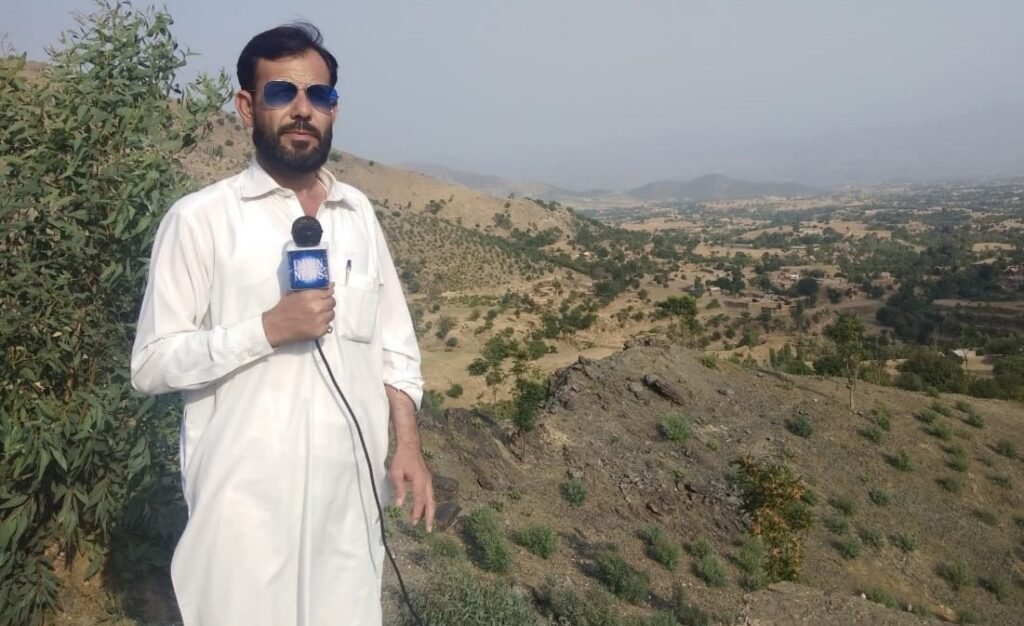 Muhammad Younas, a journalist associated with Daily Pakistan, who also manages two social media pages covering Bajaur and nearby districts, has experienced similar difficulties.
He said that he previously covered multiple events daily, including reports from remote areas, but extreme heat has reduced his field reporting by nearly 60 percent.
“Because of the severe heat, I have mostly restricted myself to my home and the press club,” Younas said.
He added that in recent years, as summers have become increasingly intense, he has been forced to rely more on information received through phone calls and WhatsApp messages.
“Getting information remotely is not easy because verification becomes difficult, but we have no other option,” he said.
Health Risks for Journalists
Climate change has also created health challenges for journalists working in the field. Among them is 45-year-old journalist Anwarzada Gulyaar.
Despite suffering from high blood pressure, Gulyaar continues his professional responsibilities. However, one recent field assignment left him struggling with the physical effects of extreme heat.
“In June, I went to Mamond Tehsil to cover a land dispute resolution ceremony,” he recalled. “Because of the intense heat, I suffered from dehydration due to excessive sweating. I felt dizzy and nearly fainted, forcing me to stop my work. Local people provided first aid, and after resting for about an hour, I recovered.”
Following that incident, Gulyaar decided to avoid field reporting during peak summer months.
He said that people from across Bajaur continue inviting him to cover events, but the extreme temperatures often prevent him from attending.
“Not being able to cover stories in the field affects my readers and followers, which makes me unhappy, but I also have to protect my health,” he said.
Journalism Without Resources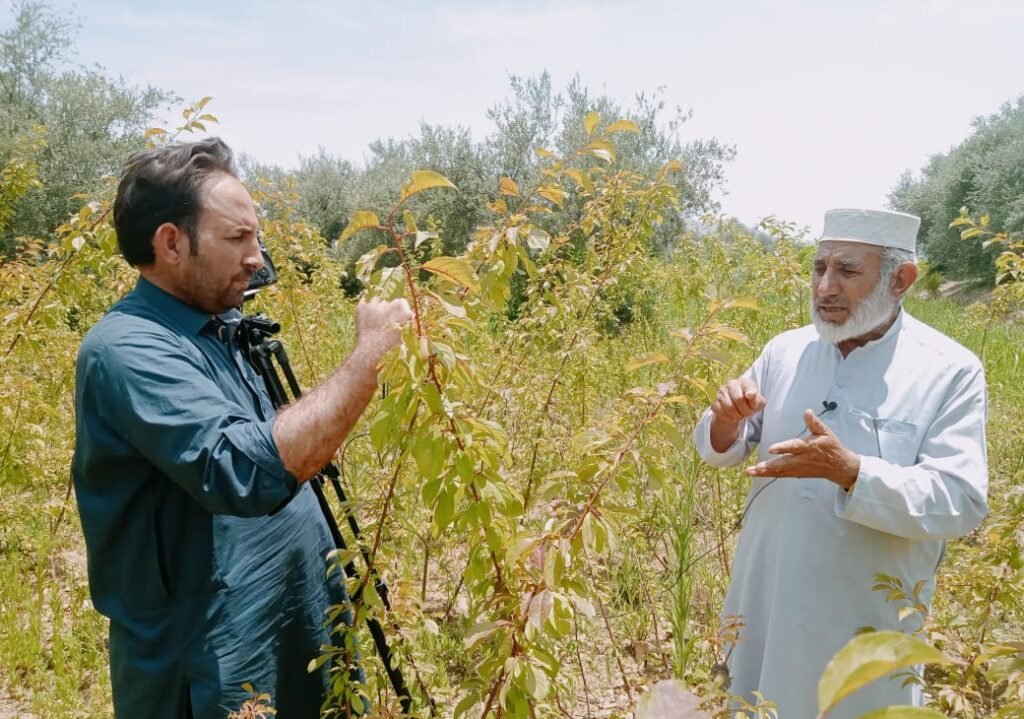 For many journalists in tribal areas, the challenges are worsened by limited financial resources. A large number of reporters work without regular salaries and lack basic equipment needed for protection against extreme weather.
Despite these difficulties, they continue considering journalism their responsibility. However, many have reduced their professional activities during the hottest months.
Younas said the heatwave this year caused skin rashes on his body, resulting in severe itching and inflammation. He underwent treatment for a month and even spent a week in Murree with friends to recover mentally and physically.
He added that journalists often shift their working hours to nighttime during summer because daytime temperatures make outdoor reporting extremely difficult.
“Working at night affects our sleep routine, which leads to headaches and eye problems. Summers create many difficulties for us, and our professional work has been greatly affected,” he said.
Climate Threatens Journalism
Ironically, while journalists are among those most affected by climate change, many are also working to raise awareness about its impacts.
Qiyas Khan’s delayed fellowship project is focused on the wild olive tree in Bajaur — an environmentally important plant that helps maintain ecological balance and supports climate resilience.
He said the extreme heat delayed his video package by around 20 days beyond its deadline, but he considers the fieldwork necessary because the project aims to highlight the environmental and economic importance of wild olives.
According to environmental experts, reducing pollution, increasing forest cover, and stopping unchecked deforestation are essential steps to control the growing effects of climate change.
A Warning for Future of Local Journalism
Qiyas believes the impact of rising temperatures on journalism in Bajaur is a warning sign for the future of local reporting.
“The effects of climate change and extreme heat are beyond the capacity of journalists like us to handle alone,” he said. “Government departments and organizations working on climate issues must take immediate steps to improve the capacity of journalists in Bajaur.”
He warned that if adequate measures are not taken, the increasing intensity of heat could continue shrinking field reporting activities, potentially depriving millions of people of reliable and timely information.
For journalists in Bajaur, climate change is no longer just an environmental issue, it has become a daily professional challenge, affecting their ability to reach communities, document realities, and keep people informed.

Comments are closed.