
Heat Emerging as Silent Driver of Kidney Diseases in South Asia
Nadeem Khan
Quetta: South Asia is heating up. Summers are getting hotter and longer, with extreme heatwaves increasingly becoming the new normal across Pakistan, Afghanistan, and India. But for many people, this is not just an abstract statistic, it is a daily challenge to stay healthy.
Zain ul Abdeen, in his 30s, runs his own poultry business and suffers from weakness, dizziness, and sharp kidney pain, which has made his daily life unbearable. Local clinics in Afghanistan’s capital, Kabul, could only offer basic treatment.
The Afghan healthcare system, weakened by years of conflict, has been unable to provide specialized care.
In Kabul, summer temperatures now often reach 38 to 42 °C. While the city is cooler than southern provinces like Kandahar, dense neighbourhoods such as Dashte Barchi struggle with poor infrastructure and limited access to clean water.
“I felt dizzy, weak, constantly thirsty, and then the back pain started,” Zain says. “I couldn’t work, I couldn’t stand for long. Staying in Kabul was no longer an option for me.”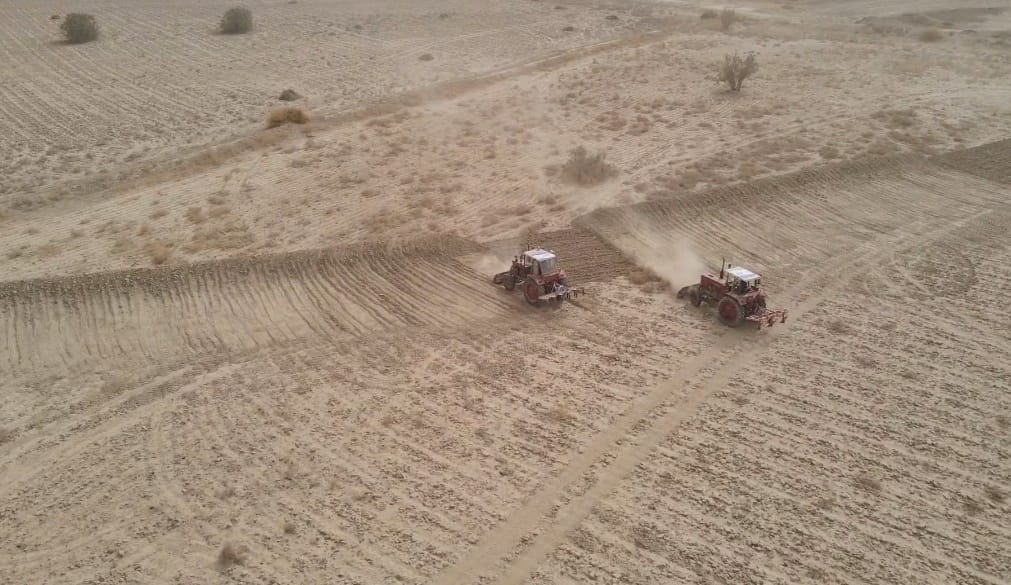 Even though the weather is currently milder, heatwaves in South Asia are becoming more frequent and intense. Vulnerable people like Zain remain at risk of dehydration and kidney problems whenever temperatures rise, showing that the threat is ongoing and not just tied to today’s heat.
On the Long Journey to Quetta With the Chaman border closed due to security concerns, Zain flew from Kabul to Islamabad, then traveled overland to Quetta, where some of his relatives live in Hazara Town.
Treatment at Quetta’s BINUQ
In Quetta, Zain was admitted to the Balochistan Institute of Nephro-Urology Quetta (BINUQ), also known as the Kidney Centre. The centre provides dialysis, diagnostic services, and, in some cases, transplants, serving patients from across Balochistan and neighboring Afghanistan.
He shared the ward with Naseer Ahmad, a 62-year-old local resident, who said, “The heat has become worse than ever. I came here with intense kidney pain.” What’s the link between Heat and Kidney?
Doctors at the Balochistan Institute of Nephro-Urology Quetta (BINUQ) and the Bolan Medical Complex (BMC) reported that admissions for acute kidney injury (AKI) and chronic kidney disease (CKD) often double during periods of intense heatwaves.
Extreme temperatures and dehydration force the kidneys to work harder, which can cause long-term damage if not treated in time.
Read More: https://thepenpk.com/climate-heat-threatens-pakistans-mango-heartland/
“Heat doesn’t respect borders, and neither does suffering,” explained Dr Nabi, an Afghan nephrologist at BMC who coordinates care for Afghan patients. “Many patients arrive in critical condition because local clinics in Afghanistan and border areas cannot provide advanced care during emergencies.”
Heatwaves in South Asia are becoming more frequent and intense, largely driven by climate change. In Pakistan, extreme heat has been linked to a rise in kidney-related illnesses and complications.
A research study published in the Pakistan Medical Association Journal found that both acute and chronic kidney injuries increase sharply during extreme heat, particularly among outdoor workers who are exposed to harsh environments and poor-quality water.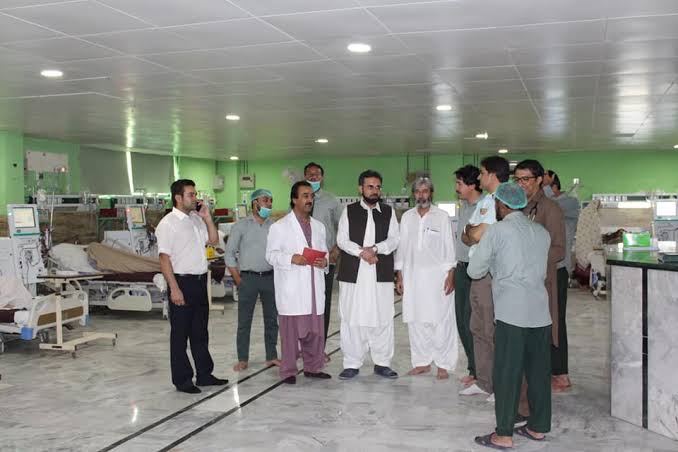 Experts say hospital admissions often double during the peak summer months from May to September. Similar risks exist in Afghanistan, where high temperatures, dehydration, and limited healthcare access further worsen kidney health.
The large influx of patients at hospitals such as BINUQ reflects the same situation.
“Heatwaves and dehydration are driving serious kidney problems across the region,” said Dr Mohqam-u-Din, Head of the Department at BINUQ. “Patients usually arrive late at hospitals because awareness is low and early medical care is limited.”
Read More: https://thepenpk.com/kps-strawberry-farmers-battle-climate-and-water-fears/
He stressed that public awareness campaigns, mobile clinics, and hydration programs are urgently needed to address the growing health crisis.
For families like Zain’s, barriers to healthcare are more challenging than high temperatures. Border restrictions, security concerns, and the cost of travel turn medical migration into a risky and stressful
for patients suffering constant pain. “Conflict closes roads and borders,” Dr Nabi notes. “People risk everything to get proper treatment because the Afghan health system cannot handle advanced cases.”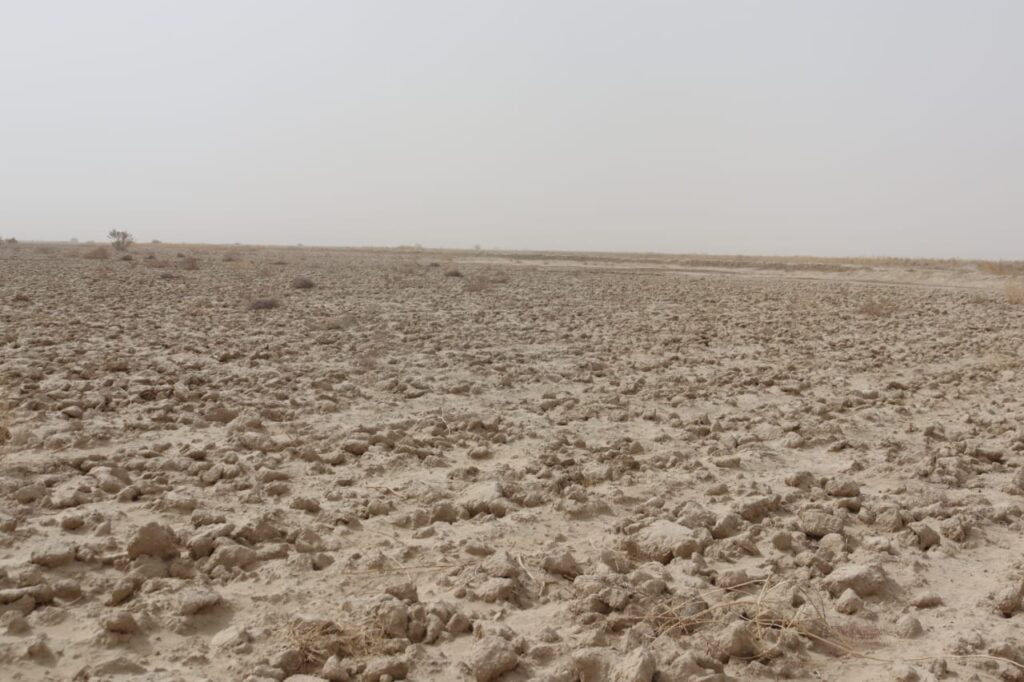 A tale of Survival
Zain’s treatment has now stabilized him, but the future remains uncertain. His story, and that of patients like Rashid, shows the human cost of a warming climate—cross-border journeys for survival, families stretched to their limits, and communities exposed to growing heat hazards.
Experts urge coordinated cross-border action, including early heat warnings, hydration programs, mobile clinics, and investment in resilient healthcare systems. Without such measures, hospitals in Quetta and across South Asia will continue to face an increasing influx of renal patients.
“Climate change is not just warming the air,” Dr Mohaqam-u-Din reflects. “It is raising the stakes for every person who must live and work under a hotter sky. The cost is measured in hospital beds and disrupted lives.”
Experts believe that if urgent measures are not taken, the number of at-risk patients will continue to rise. “The journey was long and tiring. May it get better for others,” Zain softly prayed.
