
COP30 Through the Eyes of a Young Pakistani Activist
Shah Khalid Shah Jee
Bajaur: Sabir Ali, a young Pakistani social activist, Kofi Annan Foundation Fellow, and climate change advocate, recently attended the COP30 conference in Belém, Brazil, marking his first experience at this global climate summit.
Upon his return, he shared his insights in an exclusive interview, highlighting the significance of the COP platform and Pakistan’s role in the fight against climate change.
When asked about the importance of the COP summit, Sabir Ali emphasized that it serves as a critical global forum where countries come together to discuss the adverse impacts of climate change and devise strategies to address them.
“COP allows countries to identify regions most affected by climate change and initiate targeted projects to mitigate these impacts,” he said.
He noted that COP30 held particular significance as it was hosted in the Amazon Forest region, where discussions focused extensively on forest restoration and water conservation.
As a young climate activist, Sabir Ali also shared his views on youth involvement at COP30.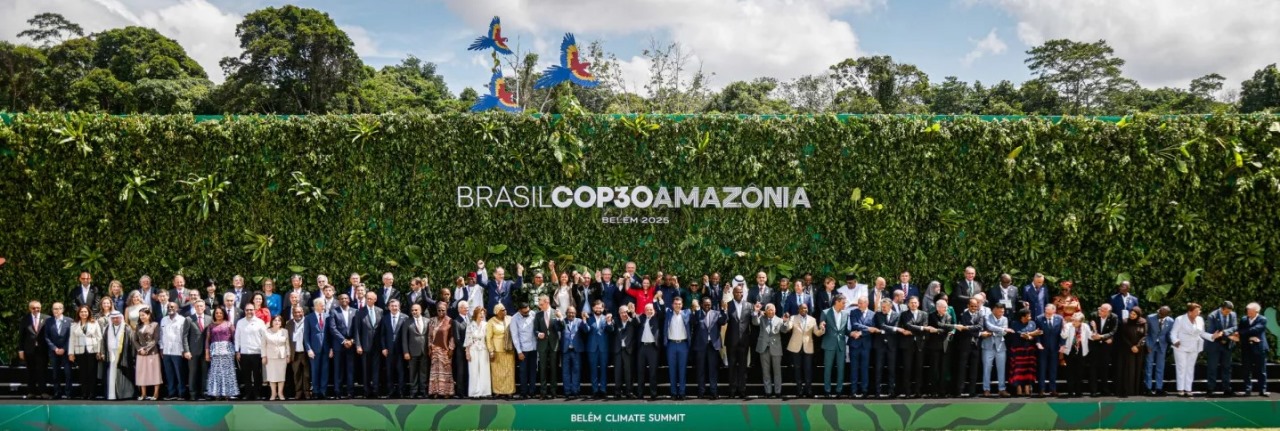 He expressed optimism, noting that the youth population in Pakistan is substantial, and this was reflected in the higher participation of young men and women in COP30 compared to previous conferences. They actively engaged in panel discussions, highlighting the critical role of young people in climate action.
“Although COP30 did not specifically focus on youth issues, speakers emphasized that youth are the future of the world. Without their involvement, the negative impacts of climate change cannot be effectively managed,” Sabir explained.
He also highlighted the severe effects of climate change in Pakistan, including floods, heatwaves, cloudbursts, and other natural disasters, which disproportionately affect young people, women, children, and the elderly. “Economic difficulties for youth are increasing daily, leading to health issues and social challenges,” he noted.
During COP30, Pakistan presented its climate perspective to the world, particularly in light of the devastating floods it recently faced.
Sabir Ali elaborated on the economic losses and urged international cooperation to mitigate climate impacts, emphasizing the need for modern technology and forward-looking planning.
“I participated in many panel discussions as both a panelist and observer. My focus was on adaptation strategies and the transition to green energy. I wanted to speak effectively on these issues and draw global attention to them,” he said.
Sabir observed that adaptation and renewable energy dominated discussions at COP30. “Experts agreed that every country must invest more in renewable energy and move away from fossil fuels.
Climate activists globally also demanded practical implementation of green energy and adaptation projects outside the conference hall,” he added.
The COP30 summit, held from November 10 to 21, brought together 50,000 participants, including heads of state, government delegations from 200 countries, NGOs, industrial representatives, environmental experts, activists, and journalists. The theme of COP30 was “Moving from Planning to Implementation and Action.”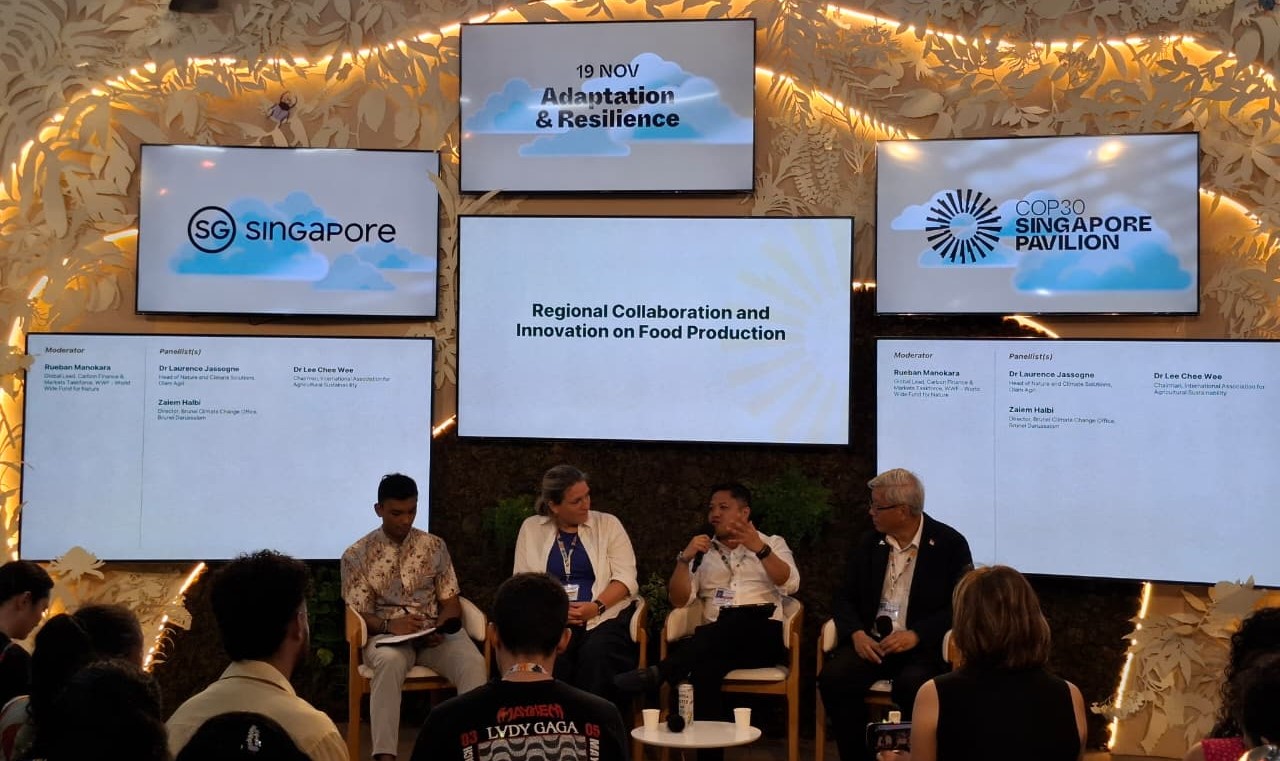 Some key highlights from the COP30 included:
- Funding for developing countries to prepare for climate change, known as “Adaptation Finance,” was promised to be tripled.
- Launch of the “Tropical Forest Forever Facility” to protect vital forests such as the Amazon.
- Indigenous communities were given greater representation in climate decisions, with commitments to protect their land rights.
- Over 80 countries called for a roadmap to phase out oil, gas, and coal, although lobbying by major oil-producing nations prevented a formal agreement.
While COP30 made progress on forest conservation and financial support for vulnerable countries, a clear global plan to transition away from fossil fuels remains unresolved.
Sabir Ali pointed out, “Leaders make strong speeches on climate change but hesitate when it comes to confronting industries that drive it. Brazil announced plans independently, but global adherence is not guaranteed.”
The Role of Youth
Like previous COPs, each country had its own pavilion to showcase climate-related initiatives. At Pakistan’s pavilion, experts discussed the country’s climate challenges, damages, and prevention strategies, while offering solutions. Sabir Ali stressed that Pakistan must move beyond merely counting damages and requesting funds.
“We need to plan proactively for climate impacts and mobilize our youth. With 60 percent of Pakistan’s population being young, effective engagement can significantly reduce climate-related damage. There is no time to delay,” he urged.
Sabir Ali’s participation in COP30 reflects the growing role of young climate activists in global discussions. His insights underscore the urgency for Pakistan to embrace proactive planning, renewable energy, and youth mobilization to tackle the country’s escalating climate crisis.
As COP30 highlighted, global cooperation, forest conservation, and adaptation financing are essential, but without decisive action on fossil fuels and youth engagement, the path to a sustainable future remains uncertain.

Comments are closed.