
Climate Change Has a Mother’s Face in Balochistan
Muhammad Hussain
Quetta: As climate change intensifies across the globe, its harshest impact is being felt by those already on the margins — the mothers and children of Balochistan.
Rising temperatures, erratic rainfall, recurring droughts, and flash floods have not only destroyed livelihoods but also triggered a silent public health emergency in Pakistan’s largest and driest province.
According to the World Health Organization (WHO) and UNICEF’s Global Report 2023, around 4.8 million children under five died worldwide, while 1.9 million stillbirths occurred.
Experts link part of these figures to worsening climate conditions — from malnutrition to water scarcity and disease outbreaks — all of which have become the new normal in vulnerable regions like Balochistan.
The Pakistan Economic Survey 2024–25 paints a grim national picture: 34 percent of children under five in Pakistan are stunted, meaning they are too short for their age due to chronic malnutrition.
Another 23.5 percent are underweight, reflecting long-term nutritional deprivation. The global acute malnutrition (GAM) rate stands at 17.7 percent, putting millions of children at risk of permanent physical and cognitive damage.
Health experts warn that stocks of Ready-to-Use Therapeutic Food (RUTF) — a vital supplement for treating severe malnutrition — may run out by March 2025, pushing thousands of already vulnerable children and mothers deeper into crisis.
A recent climate-health study revealed that each one-degree rise in temperature reduces a child’s growth rate, disrupts nutrient absorption, and increases the risk of dehydration. “Climate change is not just an environmental issue — it’s a survival issue,” the report concluded.
A Province on the Frontline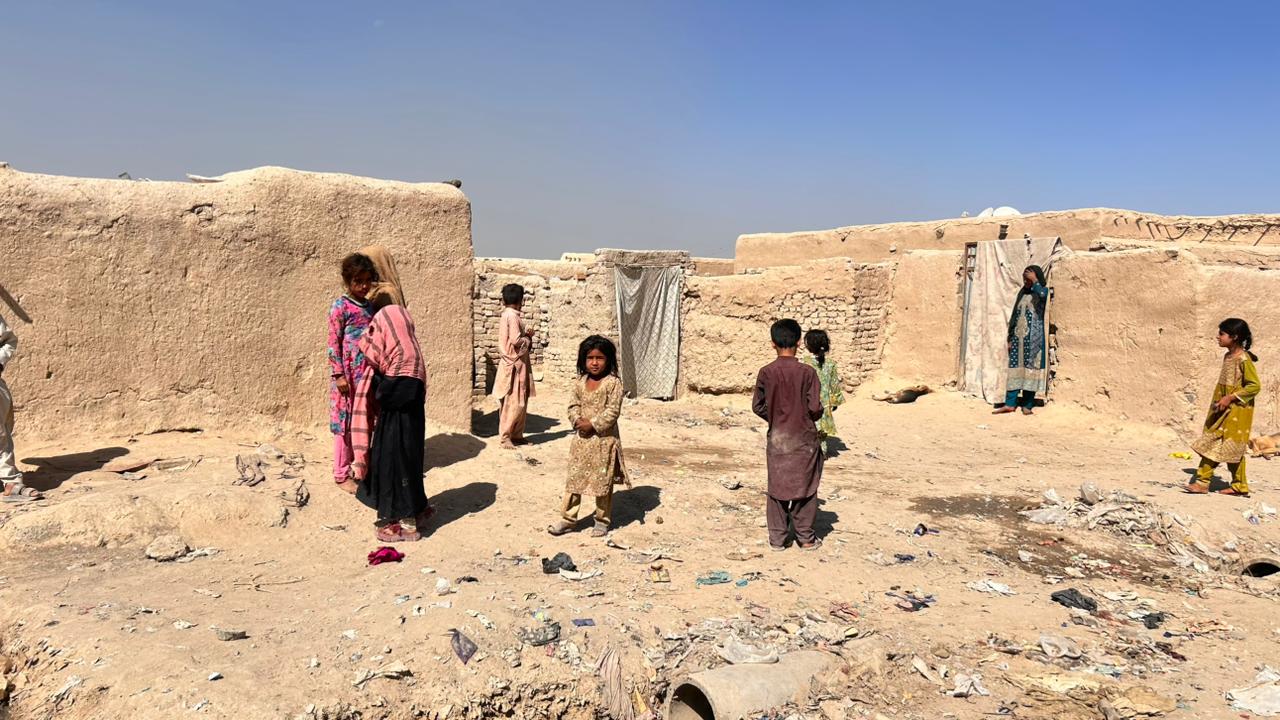 In the heart of southwestern Pakistan, Balochistan stands as the country’s most climate-vulnerable province. Its vast deserts and rugged mountains have long endured harsh conditions, but in recent years, heatwaves, droughts, and flash floods have made survival increasingly difficult.
Health officials estimate that malnutrition and undernutrition rates in Balochistan exceed the national average, reaching up to 25 percent in the worst-affected districts. In areas like Naseerabad, Jhal Magsi, Mastung, Killa Saifullah, and Nushki, food insecurity has become chronic and widespread.
For many rural women, survival itself is a daily struggle. Pregnant women often walk miles to fetch clean water or reach the nearest health center. Many give birth at home without skilled attendants — increasing the risks for both mother and child.
“After years of drought, we’re witnessing a rise in underweight children and a disturbing increase in anemia among mothers,” said a Quetta-based health officer. “Heatwaves, contaminated water, and food shortages are driving this crisis.”
Another mother from Nushki shared her ordeal, “The heat is unbearable. We walk miles to fetch water, and our children fall sick with fever and diarrhea. The nearest hospital is hours away, and sometimes we can’t afford transport.”
Her story mirrors the experiences of countless women across Balochistan — those carrying the heaviest weight of a crisis they did not create.
The Turning Point: Floods of 2022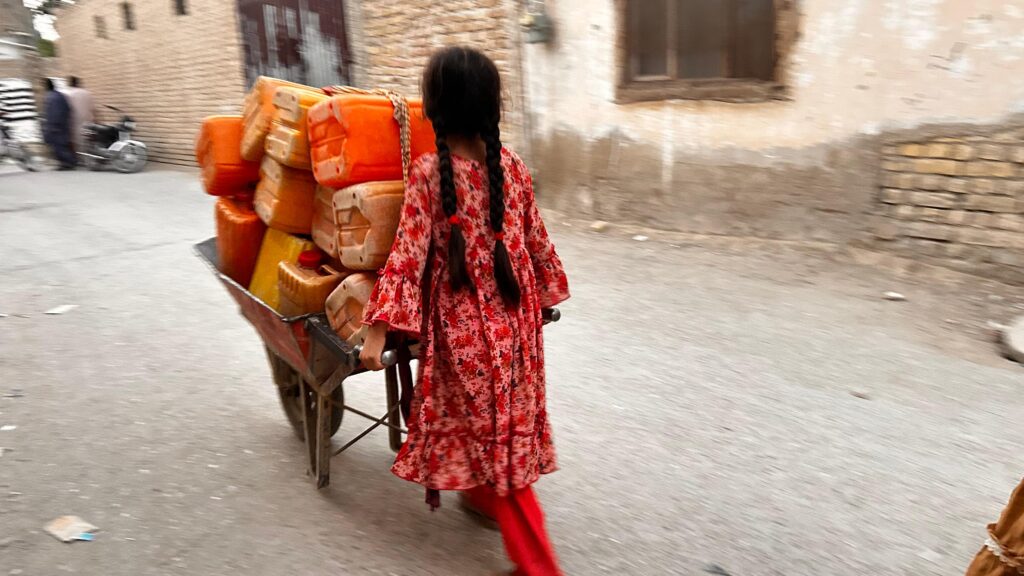 The catastrophic floods of 2022 marked a turning point for Balochistan. Entire villages were submerged across Quetta, Kachhi, and Naseerabad divisions, leaving behind contaminated water, destroyed crops, and deepening food insecurity.
According to Muhammad Hasnain Shahwani, a senior official at the Nutrition Directorate of Balochistan, the floods intensified the province’s malnutrition emergency.
“Before 2022, UNICEF’s nutrition program covered only 12 districts,” Shahwani explained. “After the floods, food insecurity spread so rapidly that we had to expand to 32 districts. The Balochistan Assembly even declared a nutrition emergency — similar to the polio emergency — to tackle the worsening situation.”
He further noted that Pakistan contributes minimally to global greenhouse gas emissions, yet ranks among the six most climate-affected countries in the world.
“Our glaciers are melting fast, feeding rivers like the Indus — but once they disappear, our rivers will dry up. If reforestation and sustainable food systems don’t begin now, we may face a nationwide food shortage,” he warned.
Responding to a Crisis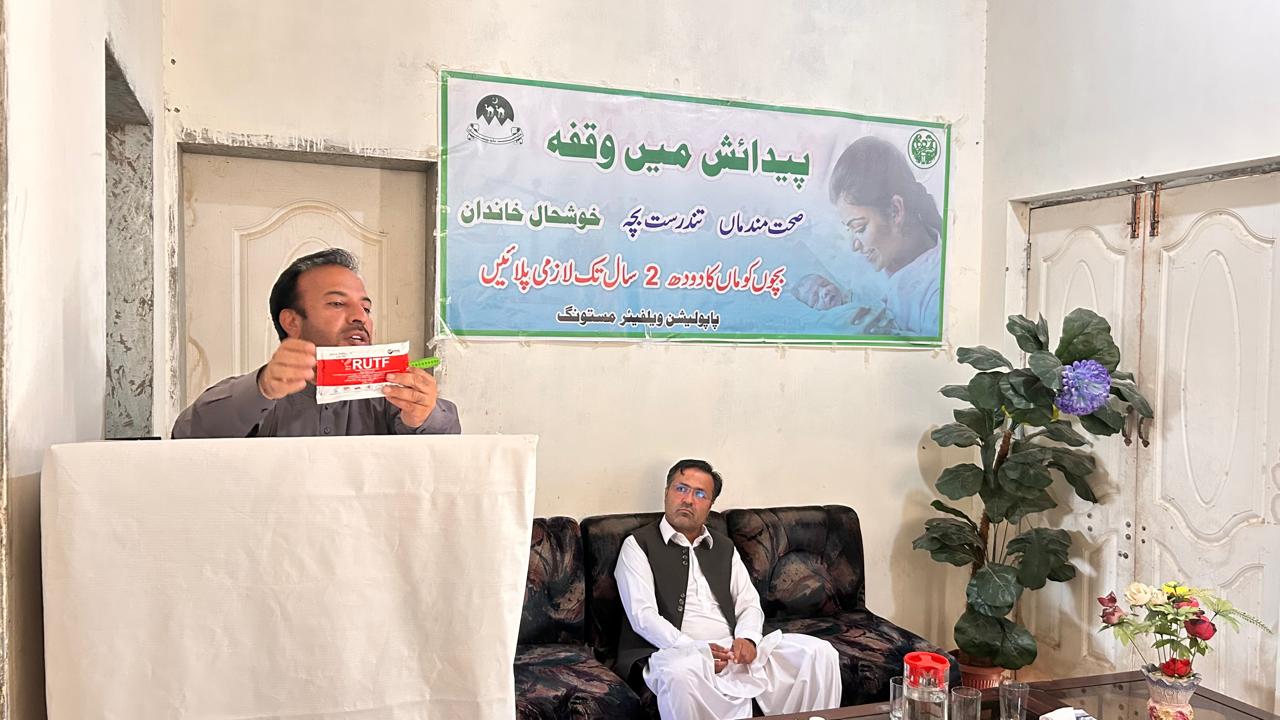 Under the leadership of Dr. Naeem Zarkon, the Nutrition Directorate has launched province-wide programs combining emergency food distribution with community-based awareness initiatives.
“Our teams are focusing on remote areas with low literacy and poor health access — places like Dasht Marav, Sadishap, and Sheernap,” Shahwani said. “Alongside therapeutic nutrition, we’re teaching mothers about kitchen gardening, hygiene, and the nutritional value of local foods.”
The idea is simple but transformative: promoting self-reliance through homegrown nutrition.
“If families start growing vegetables and raising chickens for eggs, it can significantly improve children’s health. Even one egg a day can make a difference,” he added.
Local NGOs and community groups are also conducting awareness sessions on breastfeeding, hygiene, and the use of locally available foods. Though small in scale, these initiatives offer a lifeline to families living far from major health facilities.
The Way Forward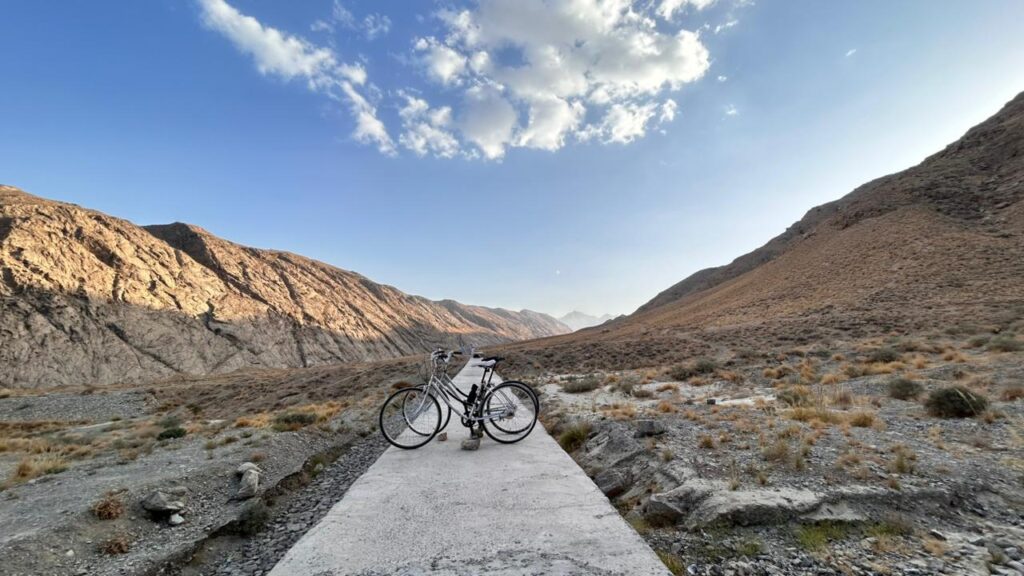 Experts agree that tackling malnutrition in Balochistan requires integrated climate and health planning, not fragmented or short-term interventions.
To protect citizens from the worsening effects of climate change, urgent steps are needed. Water conservation, solar energy adoption in drought-prone areas, expansion of maternal and child health services, and timely provision of food and medicines — particularly before floods or droughts — are critical.
Clean drinking water, sanitation, and climate awareness programs are equally vital. Teaching communities about climate change, healthy diets, and hygiene can empower families to protect themselves better.
The struggle of mothers and children in Balochistan is not just a health issue — it is a matter of human rights and climate justice. Women who contribute the least to global warming are suffering the most from its consequences.
If action begins now — through reforestation, improved nutrition, and local resilience — the province can still secure a safer future for its children. But if delays persist, today’s crisis could become tomorrow’s catastrophe.
Across Balochistan’s dry plains and flood-hit valleys, this warning grows more urgent each year. The province stands at a crossroads — between resilience and collapse, survival and suffering — and the fate of its mothers and children will depend on the choices made today.
Muhammad Hussain is an independent journalist from Balochistan who amplifies the voices of marginalized communities. His reporting focuses on human rights, climate change, minority issues, and women’s empowerment in the region.

Comments are closed.