
AJCONF Warns Democracy Is Being Systematically Undermined
News Desk
Lahore: Senior politicians, human rights defenders and international experts on Sunday warned of a steady erosion of democracy, institutional accountability and civil liberties in Pakistan, as the sixth Asma Jahangir Conference (AJCONF) concluded with sharp criticism of election practices, security policies and the widening gap between laws and lived reality.
Speaking at the closing ceremony, veteran politician Afrasiab Khattak said Pakistan had been experiencing a “creeping coup” since the 2018 general elections, a trend he said worsened after the 2024 polls. He argued that both elections were rigged, derailing democratic progress that had followed the relatively strong parliament formed after the 2008 elections.
Former senator Farhatullah Babar endorsed Khattak’s remarks and raised concern over internment centres in Khyber Pakhtunkhwa, saying the Action in Aid of Civil Power ordinance had provided legal cover to detentions. He noted that a petition he and Khattak filed against the ordinance had been pending before the Supreme Court for six years without a hearing. Babar demanded accountability for those detained, particularly at the Swat internment centre.
Across multiple sessions, panelists called for the immediate release of detained activists and politicians, including Mahrang Baloch, Ali Wazir, Imaan Mazari and Hadi Ali Chatha. Speakers also urged an end to the routine use of terms such as “national security threat,” arguing these were increasingly employed to suppress democracy, human rights and freedom of expression.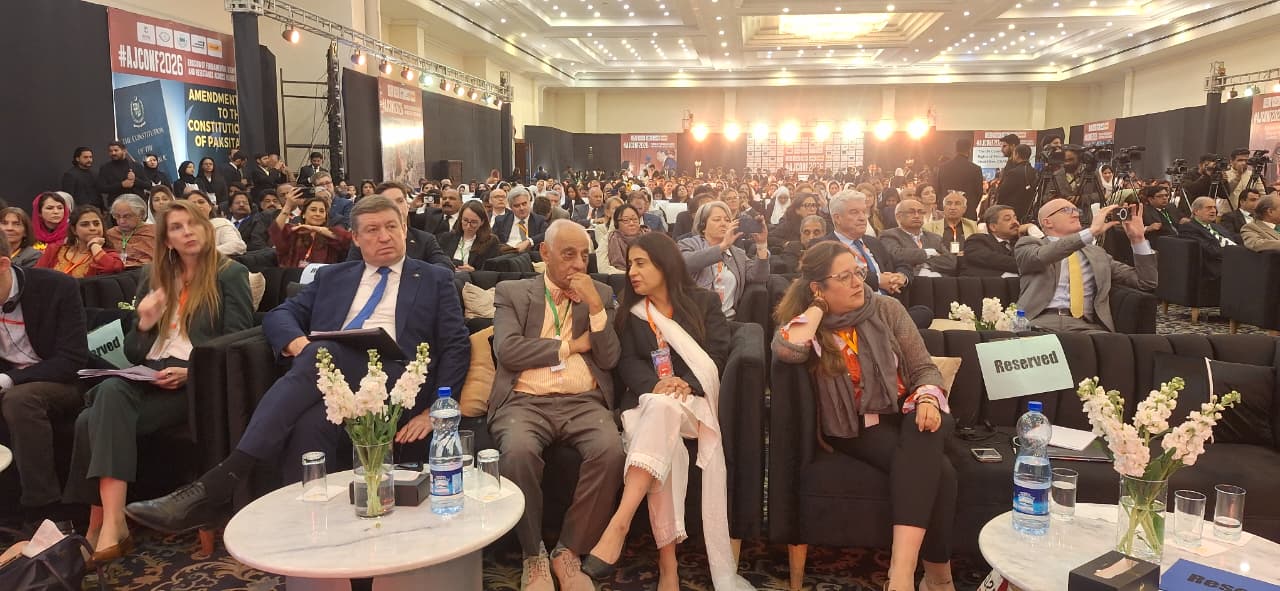 One of the most charged sessions, titled “Is There a Political Will to Solve the Balochistan Crisis?”, focused on the deep alienation of the Baloch people. Former chief minister Sardar Akhtar Mengal said enforced disappearances in the province dated back decades, recalling the disappearance of his brother in 1976. He warned that Balochistan had reached a “point of no return” due to continued state violence and criticised the February 8 elections for sidelining genuine leadership in favour of what he described as “created leaders from poultry farms.”
Responding, Prime Minister’s Adviser Rana Sanaullah said the 18th Amendment had empowered provinces and that grievances should be resolved through Parliament. He condemned the Balochistan Liberation Army (BLA), saying those who attacked roads and bridges could not be considered saviours.
Read More:https://thepenpk.com/legal-experts-debate-rights-erosion-at-asma-jahangir-conference/
Former chief minister Abdul Malik Baloch countered that state actions, including border closures, were making people in Balochistan feel their “identity is at risk.”
Day two of the conference brought together local and international policymakers, activists and experts to examine what organisers described as the systemic erosion of accountability. Hosted by the Asma Jahangir Foundation and the AGHS Legal Aid Cell, the conference reaffirmed its commitment to carrying forward the legacy of Asma Jahangir through annual dialogue inclusive of diverse political viewpoints. Prominent women policymakers also called for stronger networks of women to defend fundamental freedoms and strengthen democratic processes.
The conference revolved around six core themes: freedom of expression, the right to a fair trial, conflict resolution, climate change, vulnerable communities and gender discrimination. A total of 22 sessions addressed issues ranging from Balochistan to artificial intelligence, with speakers warning that human rights would remain aspirational as long as “national security” continued to be used to stifle dissent and international double standards persisted.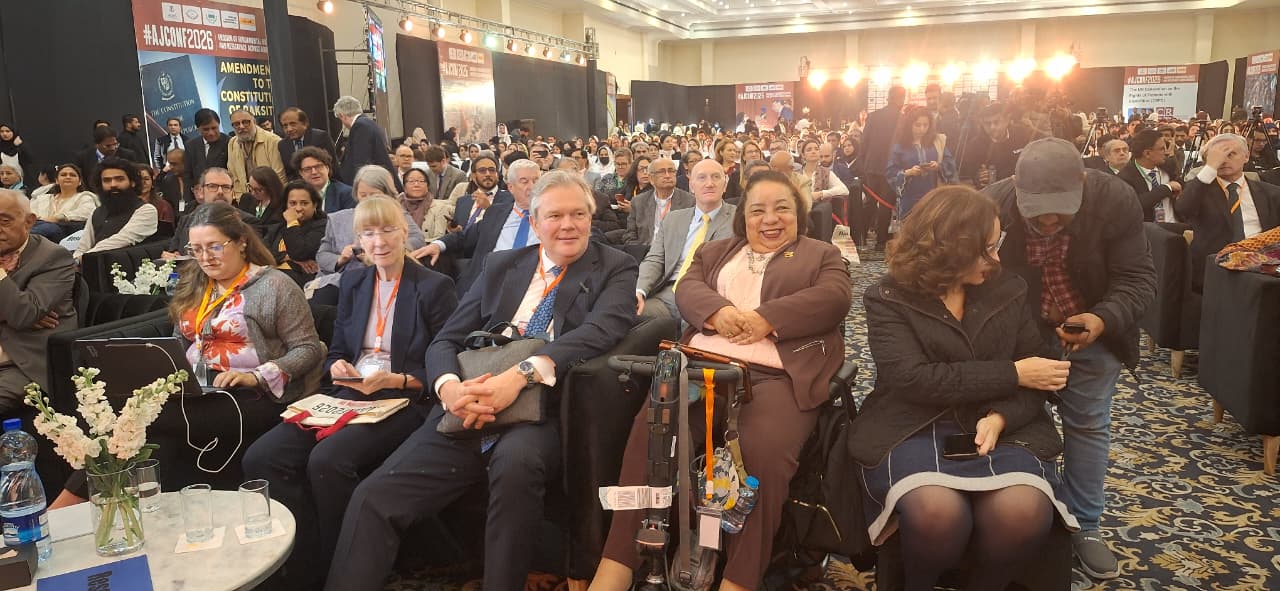 In a session on regional security and Afghanistan, Bilal Azhar Kiyani said Pakistan’s diplomatic efforts had failed to secure Taliban commitments on inclusive governance and preventing cross-border attacks. Former Afghan deputy speaker Fawzia Koofi accused the Taliban of using women “as a diplomacy tool,” while Patricia Gossman highlighted the collapse of institutions that preceded the international withdrawal.
UN Special Rapporteur Richard Bennett urged Pakistan to respect its international obligations, avoid refoulement, review the Illegal Foreigners Repatriation Plan (IFRP) and ensure protection for at-risk Afghan groups.
Read More: https://thepenpk.com/legal-experts-debate-rights-erosion-at-asma-jahangir-conference/
Gender justice was another major focus. National Commission for Human Rights chairperson Rabiya Javeri said 90 percent of nikah registrars deprived women of basic rights while filling marriage contracts.
Panelists admitted existing child marriage laws had failed to prevent underage marriages. Calls were made by Ayesha Raza Farooq and Justice Jawad Hassan for a uniform minimum marriage age of 18 across all provinces, while UN Special Rapporteur Reem Alsalem pointed to weak enforcement as a key failure.
Sessions on free speech and digital rights criticised the use of PECA laws against journalists and anchors. Speakers including Shahidul Alam and Ken Roth condemned global double standards on freedom of expression, arguing that the right to offend those in power must be protected. Calls were also made to extend constitutional rights into the digital sphere to counter excessive censorship.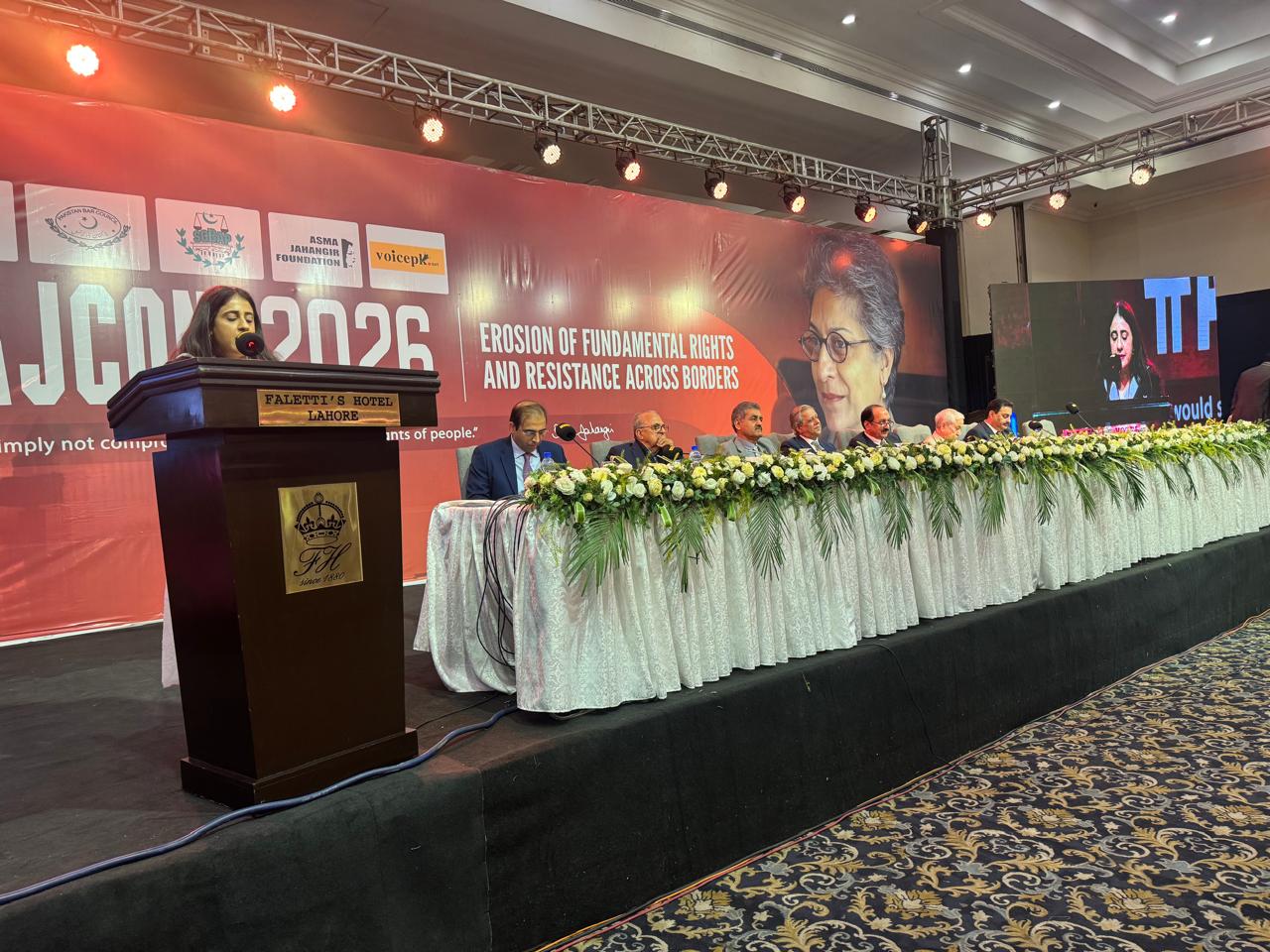 On inclusion and climate justice, German Ambassador Ina Lepel pledged that at least 15 percent of development programmes would focus on disability inclusion. Climate Change Minister Musadiq Malik highlighted global inequities, noting that countries responsible for 70 percent of emissions receive most green financing, while vulnerable nations are pushed towards debt.
The conference concluded with calls for democratic reform and accountability. Kanak Mani Dixit urged Pakistan to consider transitional justice mechanisms similar to Nepal’s Truth and Reconciliation Commission, while Hamid Mir warned against the misuse of security narratives. Bar representative Ahsan Bhoon stressed that civilians should not be tried in military courts.
The closing session featured addresses by prominent figures including Afrasiab Khattak, Farhatullah Babar, Abdul Malik Baloch, Nasir Zaidi, Abid Saqi, Hina Jilani, Senator Ali Zafar, Parvaiz Rashid and Mahmood Khan Achakzai, who attended as chief guest.
