
Tackling the Climate Crisis
Ali Nawaz Rahimoo
Tharparkar: Climate change is no longer a distant threat for Pakistan. It is here, it is now, and it is disrupting lives, livelihoods, and the environment in devastating ways.
From record-breaking floods to suffocating smog, Pakistan faces mounting climate-linked disasters that demand urgent, coordinated action.
Pakistan has consistently ranked among the world’s most climate-vulnerable nations. Between 2000 and 2019, it was listed among the top 10 countries most affected by extreme weather events, according to the Global Climate Risk Index.
The deadly 2022 floods alone displaced more than 8 million people, submerged a third of the country, and caused over $40 billion in economic losses as per the World Bank estimates.
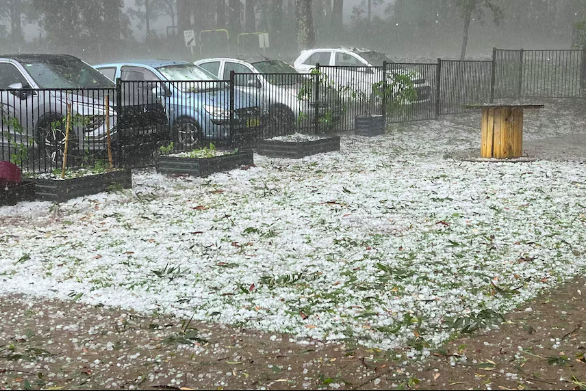
But the crisis doesn’t end there.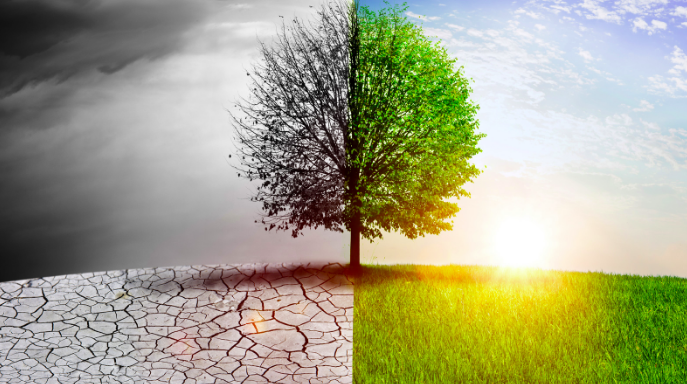 Unseasonal hailstorms in Islamabad, erratic monsoon patterns, intensifying heatwaves, and melting glaciers in the north paint a grim picture of a rapidly warming climate.
These changes are in line with global trends—rising temperatures, ozone depletion, and increasing frequency of extreme weather events.
Pakistan has made promising strides in climate policy. It is a signatory to the Paris Climate Agreement, actively participates in UNFCCC negotiations, and has launched programs like REDD+ to curb deforestation.
Domestically, initiatives such as the Ten Billion Tree Tsunami, Green Stimulus Plan, and Alternative and Renewable Energy Policy aim to transition the country toward a more sustainable path. But the on-ground reality tells a different story.
Cities like Lahore and Karachi are choking in toxic smog during winter months, with AQI levels often soaring above 400—well beyond hazardous limits. Urban deforestation, unchecked emissions, and poor waste management continue to undermine climate progress. While the policy framework exists, implementation remains fragmented, underfunded, and poorly monitored.
Experts and environmental advocates agree: Pakistan needs a multi-pronged, grassroots-to-government approach to mitigate climate risks and build long-term resilience.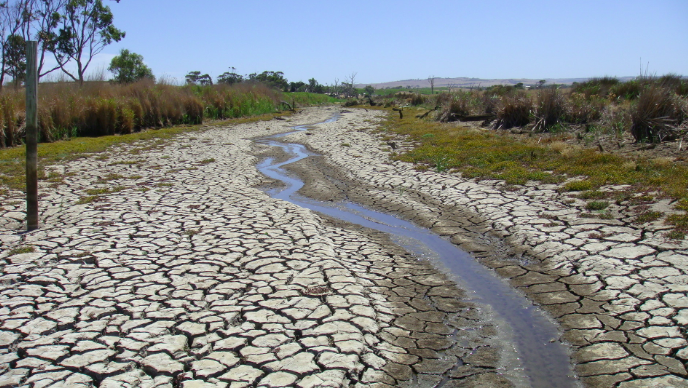 Tree plantation is among the most effective tools for carbon capture, flood prevention, and urban cooling. Green belts along highways, riverbanks, and within urban centers can curb rising temperatures. Rooftop gardens and vertical forests should be incentivized in high-density cities.
Pakistan generates around 3.9 million tons of plastic waste annually—over 65% of which is mismanaged. The government must impose bans on single-use plastics, support recycling industries, and integrate waste management education in schools. Behavior change campaigns, backed by legislation, can shift public attitudes.
Currently, nearly 60% of Pakistan’s energy comes from fossil fuels. Investing in solar, wind, and hydroelectric power can reduce dependency on imported oil and cut emissions. Solar panel subsidies for households and green job creation in the renewable sector are key.
Untreated waste from factories and farms continues to pollute rivers and the air. Pakistan must enforce environmental compliance and promote cleaner production techniques. Modernizing irrigation and discouraging excessive pesticide use can reduce agricultural runoff.
The Indus River is critical to Pakistan’s agriculture and water security. But pollution, overuse, and poor planning threaten its health. River cleanup drives, drip irrigation, small dams, and smart canal management can conserve water and mitigate flooding.
Vehicle emissions are a major contributor to urban air pollution. Eco-friendly public transport, bike lanes, pedestrian zones, and emission-free corridors must be prioritized in urban planning.
 Facing similar climate vulnerabilities, Bangladesh has emerged as a global model for climate resilience. The country has reduced climate-related deaths and losses through low-cost, community-based interventions: early warning systems, climate-resilient housing, and disaster preparedness training.
Pakistan can adopt similar solutions, especially in flood-prone regions like Sindh and Balochistan, and in mountainous areas vulnerable to glacial lake outburst floods (GLOFs).
Governments alone cannot fight climate change. The battle for a greener future must involve all segments of society—students, teachers, farmers, entrepreneurs, and community leaders. Whether it’s planting trees, saving water, recycling, or advocating for climate justice, individual action matters.
Transparency, political will, and citizen participation are the pillars on which an effective climate response must be built.
Pakistan stands at a turning point. The climate emergency threatens the nation’s food, water, health, and economic security. But it also offers an opportunity: to reshape how the country grows, consumes, and protects its environment.
The path forward requires more than slogans. It calls for a real Green Revolution—where clean energy replaces coal, green spaces thrive in cities, and rivers flow unpolluted.
The time to act is now. Delay could be catastrophic. But if Pakistan chooses bold action today, it can secure a safer, greener, and more prosperous tomorrow.

Comments are closed.