
Living With Disasters: Stories from Bajaur, Lessons from Science
Shah Khalid Shah
Bajaur: Millions of people in Pakistan are once again grappling with the fury of devastating floods, this time striking the poorest communities of Punjab and Sindh. The calamity has not only claimed the lives of their loved ones but also swept away homes, livelihoods, and the savings of a lifetime.
Today, countless survivors wait anxiously for government compensation to rebuild their shelters and restart their lives. Yet, for many, the suffering does not end with physical losses alone. The floods have left lasting scars—mental, emotional, and physical—that they will carry for the rest of their lives.
Read More: https://thepenpk.com/children-of-the-indus-left-to-hunger/
Similarly, when a powerful earthquake struck Pakistan on October 26, 2015, it shook the Malakand Division of Khyber-Pakhtunkhwa and Bajaur. The disaster claimed nearly 270 lives, injured around 1,000 people, and caused billions of rupees in property damage. Yet beyond these statistics lie the lived experiences of citizens who continue to carry the trauma of that day.”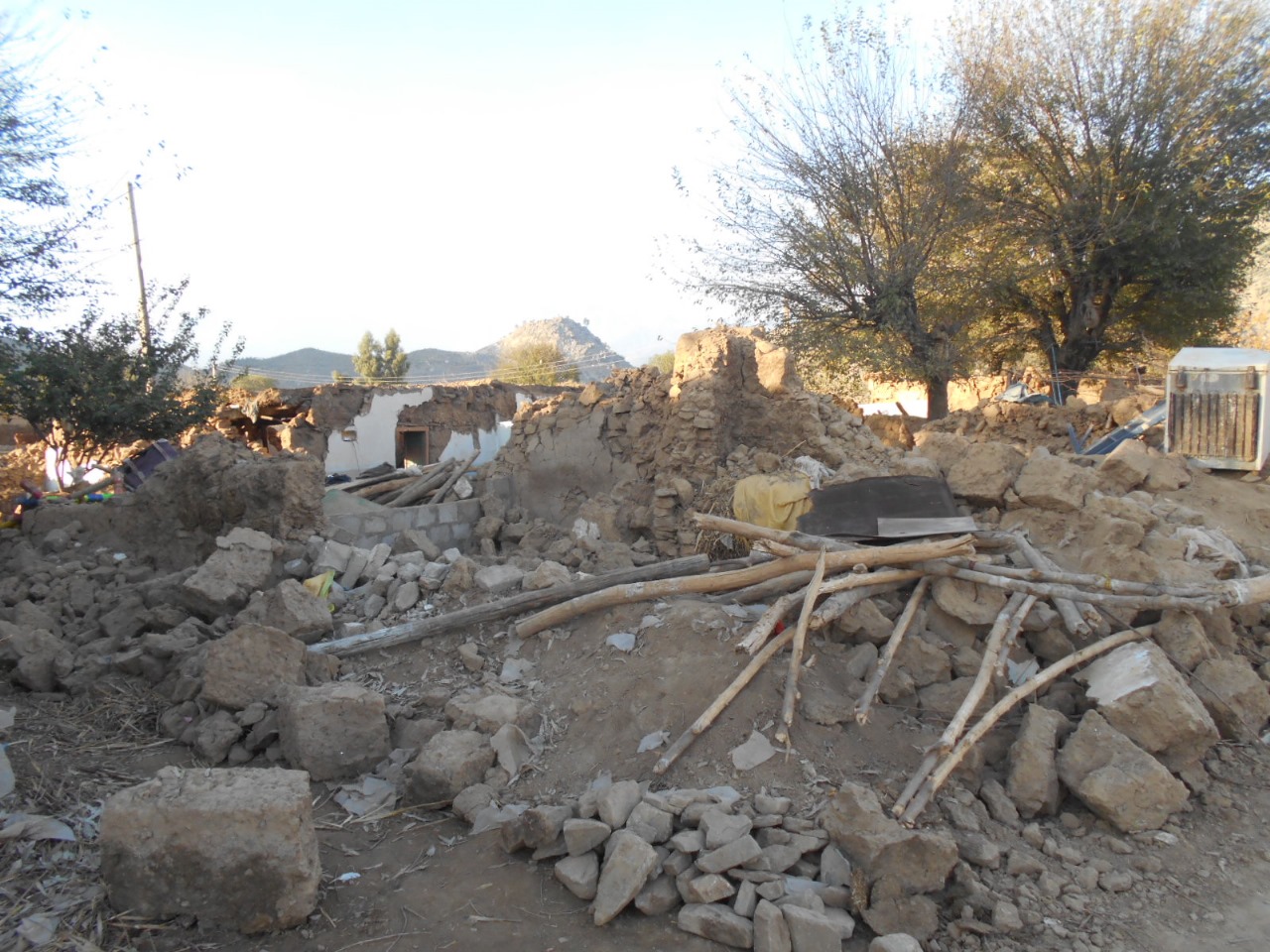 Abdul Rashid Khan, a 65-year-old resident of Serai Tehsil Khar village in Bajaur, still recalls the terror. The quake demolished his two-room house, reducing it to rubble along with all household belongings.
“The earthquake was so severe that I felt it was the day of resurrection,” he said. Dust clouded the air, walls collapsed around him, and rooms in neighboring houses crumbled. Miraculously, there were no casualties in his village.
With government compensation of Rs100,000 per destroyed room, Rashid rebuilt his house, adding some of his own savings. Once marked by mud and rough construction, his village today stands rebuilt with more concrete structures. Yet the psychological scars remain. “Even now, whenever tremors occur, I fear my house will collapse again,” he admitted.
Not everyone qualified for assistance. Shahid Khan, another resident, lost a rough storage room in the quake, while his concrete living rooms remained intact. Because the government policy provided aid only for collapsed living quarters, he received no compensation. “All my neighbors received support because their living rooms fell. Mine did not, so I was left out,” he explained.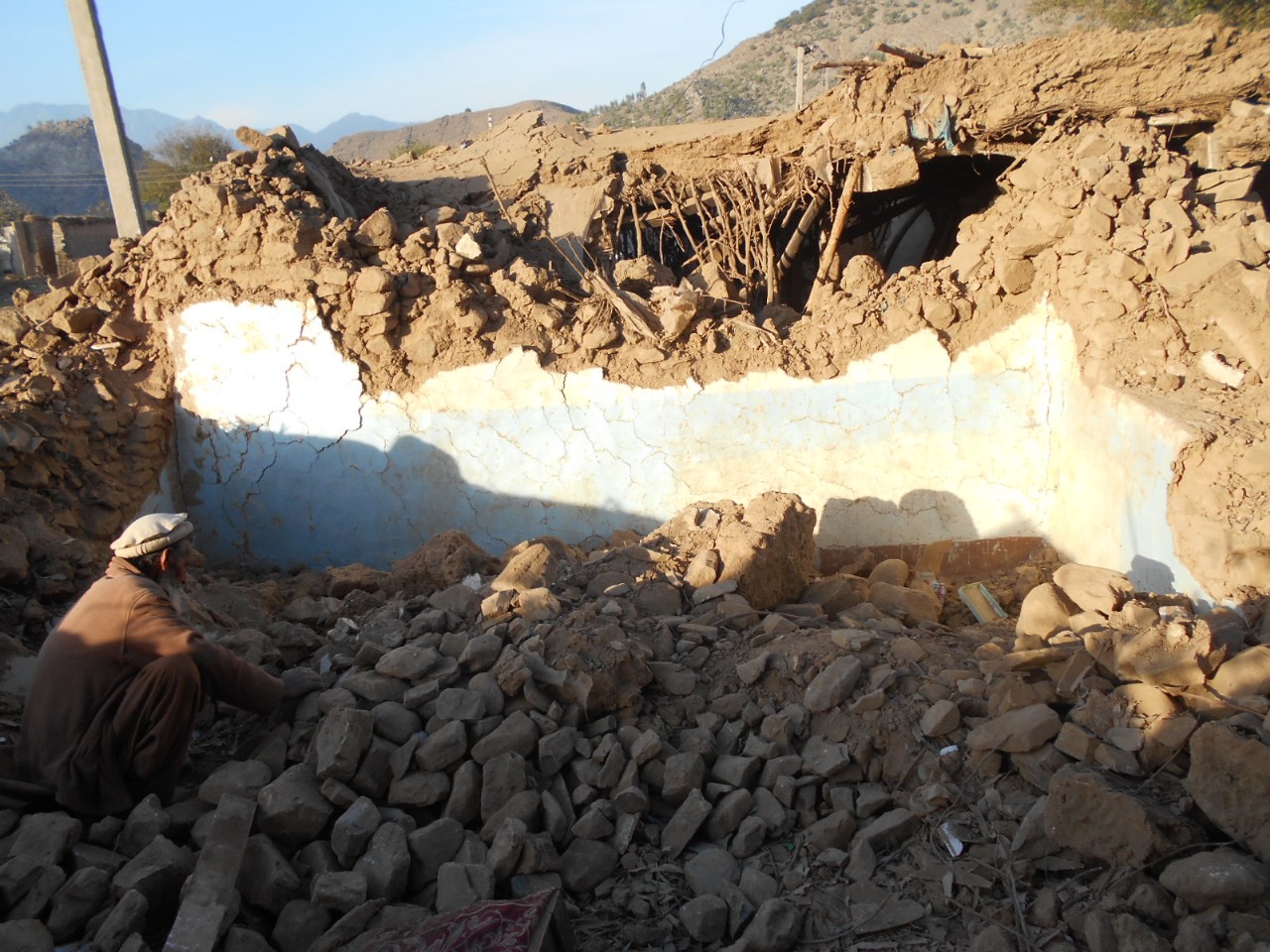 For Shahid, the quake’s psychological aftershocks were as damaging as the physical loss. “I couldn’t sleep for days. I felt constant fear that another bigger earthquake would strike,” he recalled. This fear was shared widely across Bajaur, where residents remained anxious for weeks, anticipating further disaster.
Abdul Wahab, from Mamund Tehsil, still struggles with sleepless nights. After feeling five mild tremors in a single night, he stayed awake till morning, fearing a repeat of 2015.
Dr. Khaista Rehman Khattak, former professor of geology at the University of Peshawar, explained that small tremors following a major quake are called aftershocks. These may last from a few days to a week. “When a major earthquake occurs, a great force is released from within the earth. The remaining force is then discharged as smaller quakes or aftershocks,” he noted.
But these tremors are not always aftershocks. “Small earthquakes can also occur before a major one,” Dr. Khattak clarified.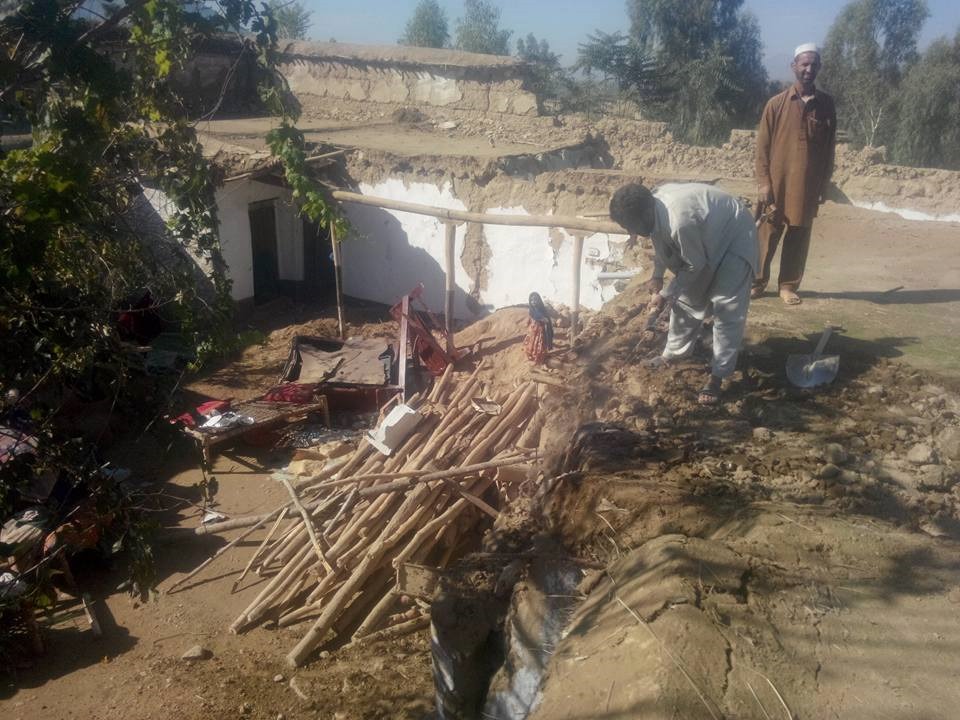 Modern geology explains earthquakes as movements of tectonic plates beneath the earth. Heat from the earth’s core causes heavier material to sink while lighter matter rises, creating currents that push plates against each other. Areas near plate boundaries face the greatest risk.
Scientists use technology similar to medical X-rays to study the earth. These “earth scans” help them understand how plates move. Sometimes, the earth expands—as in Tibet, where mountains rise—and sometimes it contracts, as seen in Greece.
Read More: https://thepenpk.com/pakistans-floods-unbroken-cycle-of-death-and-despair/
But can earthquakes be predicted? Dr. Khattak says it remains extremely difficult. “Unfortunately, little work has been done in Pakistan. Most studies are limited to the north, Islamabad, and Kashmir to Bajaur. Karachi and Balochistan remain understudied,” he explained.
His own research produced a seismic map of Pakistan, highlighting risks in Balochistan often overlooked. “While Peshawar hasn’t seen a destructive quake in 300 years, Balochistan remains highly vulnerable,” he warned.
History is full of devastating quakes. In 1920, a quake in China killed 235,000 people, followed by another in 1921 that claimed 200,000 lives.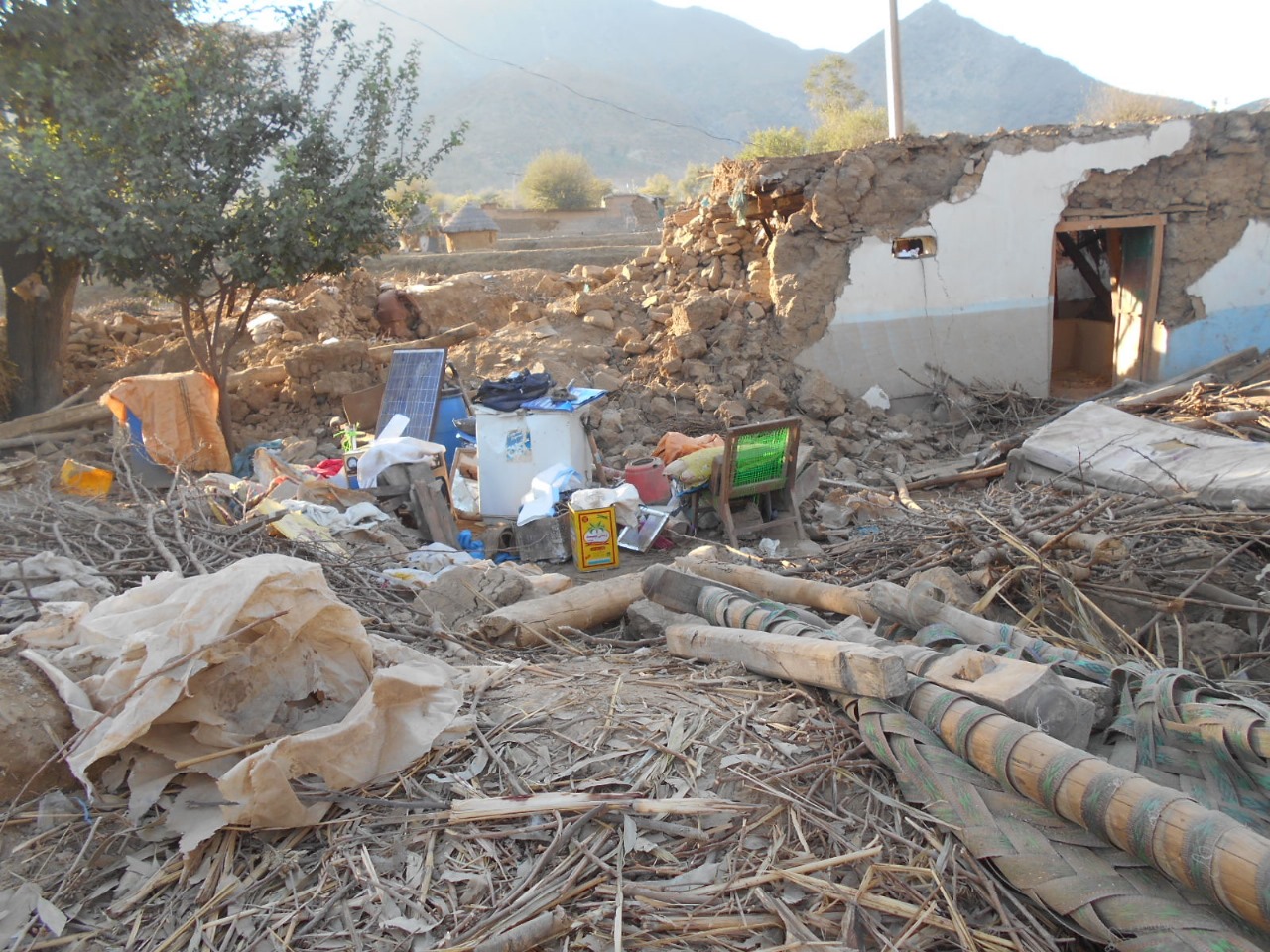 In 1923, Japan’s Okinawa earthquake killed 140,000. Closer to home, Quetta’s 1935 quake killed 60,000. More recently, the 2005 quake in Pakistan and Kashmir killed over 70,000, while Nepal’s 2015 disaster left around 14,000 dead.
Other catastrophic events include the 1980 Italy quake (83,000 dead), Gujarat’s 2001 quake (40,000 dead), and the 2004 Indian Ocean tsunami that killed 200,000 across South Asia. Financial damages from such disasters run into billions of dollars.
Most recently, on September 1, 2025, a 6.0-magnitude quake struck Afghanistan’s Kunar province and several areas of Pakistan, killing at least 2,000 and injuring more than 4,000. Rescue operations are still ongoing, with casualties expected to rise as many remain trapped under rubble.
For residents of Bajaur like Rashid, Shahid, and Wahab, earthquakes are not abstract geological events but lived experiences of fear, loss, and resilience. With scientific prediction still uncertain, their survival depends on preparedness, stronger housing, and consistent government support.
The earth may continue to shake, but the resilience of communities—if matched with science and policy—can help save lives.

Comments are closed.