
How Floods Breed a Public Health Crisis in Pakistan
Jehangir Khan Tareen
Islamabad: Floods, among the most common and devastating natural disasters, bring destruction that extends far beyond the visible wreckage of homes, infrastructure, and livelihoods.
One of their most immediate and deadly consequences is the outbreak of waterborne diseases — illnesses caused by microorganisms transmitted through contaminated water.
When clean water supplies, sanitation systems, and hygiene infrastructure are disrupted, floods create the perfect conditions for these diseases to spread rapidly, turning natural calamities into full-blown public health crises.
According to Dr. Ahsan Ullah Khan, former Medical Superintendent of Children Complex, the link between floods and waterborne diseases is both direct and multifaceted.
“Floods can damage water treatment plants, rupture water pipelines, and submerge pump houses,” he explained. “This interruption in the supply of clean, treated water forces people to rely on unsafe sources for drinking, cooking, and cleaning.”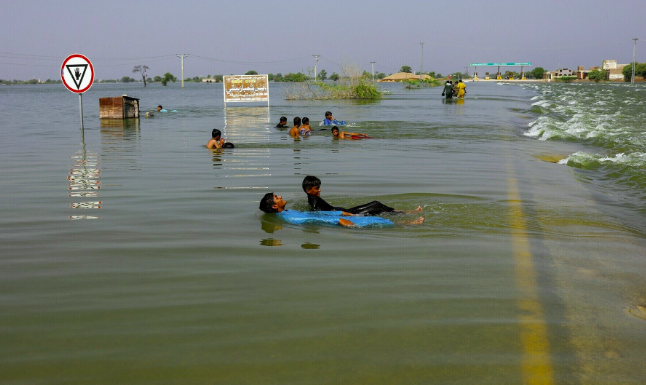 He added that flood survivors often seek refuge in temporary camps that are overcrowded and lack adequate sanitation. “Limited access to clean water and poor hygiene conditions make these camps hotspots for person-to-person disease transmission,” Dr. Khan warned.
As floodwaters recede, they leave behind stagnant pools that become breeding grounds for mosquitoes, escalating the risk of vector-borne diseases such as malaria and dengue fever. Contaminated floodwater can also spoil food stocks and crops, compounding the risk of foodborne infections and chemical contamination.
Dr. Imran Rafiq, Senior Demonstrator of Pharmacology at Nishtar Medical University (NMU), highlighted several major diseases that typically emerge after floods, noting that diarrheal diseases remain the most common and dangerous category, especially among children.
Cholera, caused by Vibrio cholerae, can trigger severe watery diarrhea and vomiting, leading to fatal dehydration within hours if untreated.
Typhoid fever, caused by Salmonella Typhi, results in high fever, weakness, and stomach pain. Dysentery, whether bacterial (Shigellosis) or amoebic (Amoebiasis), causes bloody diarrhea, while infections like E. coli and Rotavirus are frequent culprits behind severe diarrhea in children.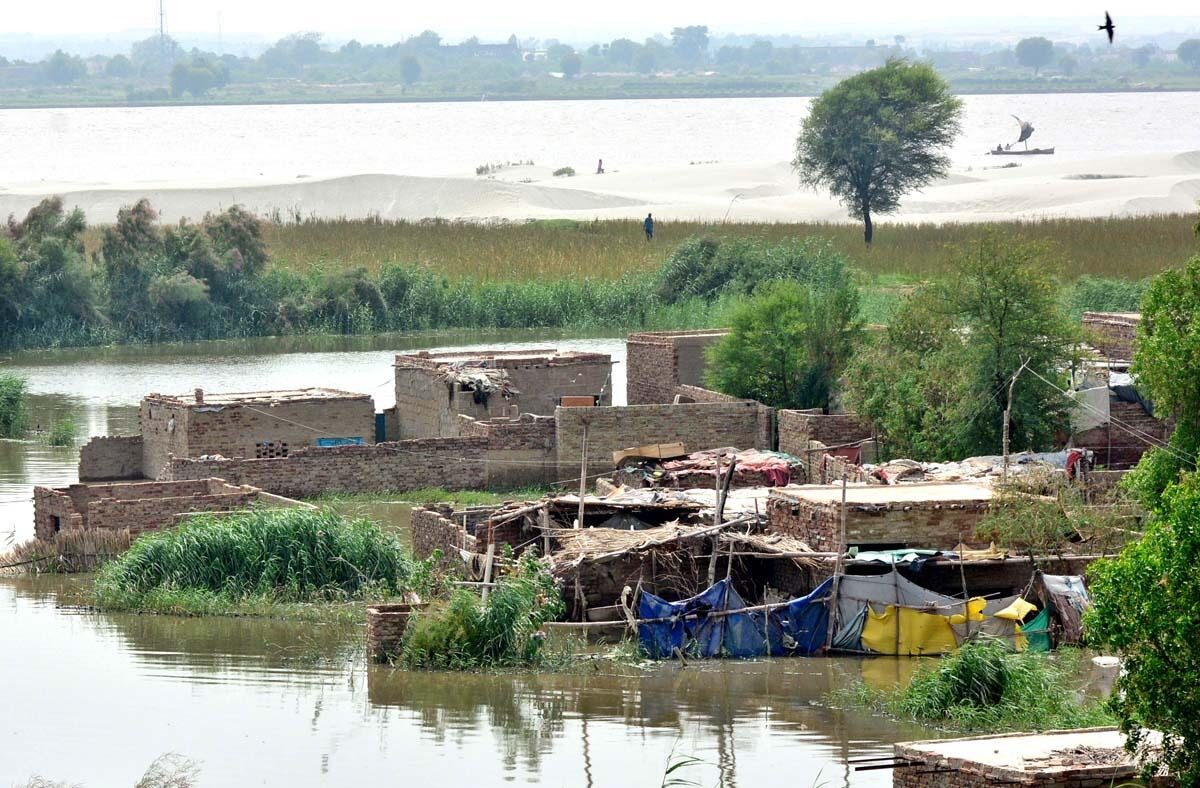 Beyond gastrointestinal illnesses, Hepatitis A and Hepatitis E pose serious post-flood threats. Spread primarily through the fecal-oral route, both viruses attack the liver, causing jaundice, fatigue, and nausea. Dr. Rafiq cautioned that Hepatitis E can be especially fatal for pregnant women.
Another lesser-known but dangerous disease is Leptospirosis, a bacterial infection transmitted through water contaminated by the urine of infected animals, particularly rodents. People who wade through floodwaters are at high risk. Severe cases can lead to kidney failure or liver damage, known as Weil’s disease.
While not purely waterborne, vector-borne illnesses like malaria and dengue fever surge after floods due to stagnant water, which provides ideal breeding grounds for mosquitoes — Anopheles in the case of malaria and Aedes for dengue.
Vulnerable Populations at Greatest Risk
Certain groups are disproportionately affected during post-flood health crises. Children under five are the most vulnerable due to weaker immunity and higher risks of dehydration.
Elderly citizens and those with pre-existing conditions are also at elevated risk. Pregnant women, malnourished populations, and people with compromised immune systems — including those living with HIV/AIDS — face potentially life-threatening complications.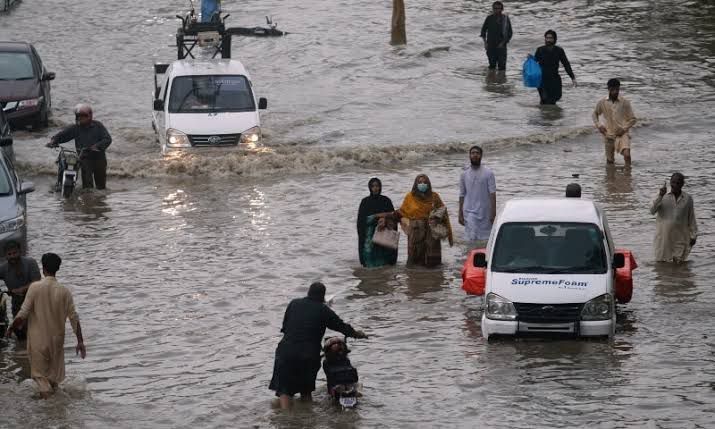
Floods Displace Two Million in Pakistan: Musadik Malik
Moreover, displaced families in makeshift shelters with poor sanitation face the highest exposure to contaminated water and disease transmission.
A Race Against Time
Dr. Abdul Khaliq Sheikh, Assistant Professor of Medicine at NMU, emphasized the need for a multi-pronged approach to prevent disease outbreaks. “Immediate emergency measures such as distributing bottled water, deploying mobile water treatment plants, and providing chlorine tablets can save lives in the critical early days,” he said.
He stressed that community awareness plays a pivotal role. “People must be educated on safe water practices — boiling water, using chlorine drops, or relying on solar disinfection methods,” Dr. Sheikh noted.
Establishing rapid diagnostic centers and treatment camps for diseases like cholera and malaria is essential for early detection and containment. He also emphasized the life-saving importance of Oral Rehydration Solution (ORS) in managing diarrheal diseases.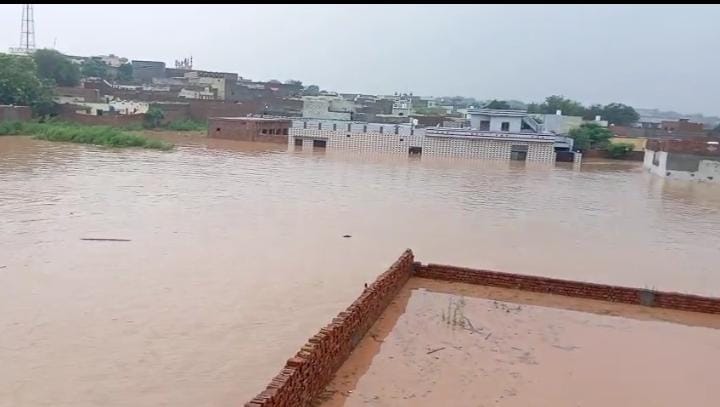 Waterborne diseases are a predictable yet often overlooked aftermath of flooding — a tragedy that magnifies human suffering long after the waters have receded. Experts agree that the disruption of safe water and sanitation remains the primary driver of these outbreaks.
A coordinated response that prioritizes clean water, sanitation, hygiene (WASH) interventions, and public health surveillance is critical. In the long term, rebuilding resilient water infrastructure and improving early warning systems can mitigate the impacts of future floods.
Ultimately, protecting vulnerable populations from waterborne diseases is more than a public health imperative — it is a moral responsibility.
Ensuring access to safe water and sanitation in the wake of disaster is fundamental not only to recovery but also to preserving human dignity.
The feature report was released by APP on Oct 4,2025.

Comments are closed.