
Abortion Rights and Women’s Health in Pakistan
Shazia Mehboob
Islamabad: “Fear, pressure, and the pain of abortion were much more than giving birth to a child,” said Hareem, recalling her experience of an induced abortion at a healthcare facility in Rawalpindi.
Although it was her second pregnancy, Hareem had to terminate it at six weeks due to abnormal fetal growth. “It felt as if everything inside me was being torn out — blood and pieces,” she said. “Even after receiving treatment at a quality healthcare facility, it took weeks to recover physically and mentally.”
Hareem’s case, despite access to trained medical care, underscores the trauma associated with abortion. Her experience stands in stark contrast to that of Safina, a 40-year-old woman from Rawalpindi’s Tench Bhatta area, who did not survive an unsafe abortion carried out by an untrained midwife (dai).
Safina, a mother of four, sought abortion because she did not want another child. According to her cousin, Nabila Chaudhary, the dai performed the procedure at home, leaving blood clots in Safina’s uterus. When the dai attempted a second intervention to remove the clots, Safina developed a severe uterine infection and died within weeks.
“In traditional societies like Pakistan, women play a central role in managing family affairs,” Nabila said. “When a woman’s health is compromised, the entire household suffers.”
Unsafe Practices 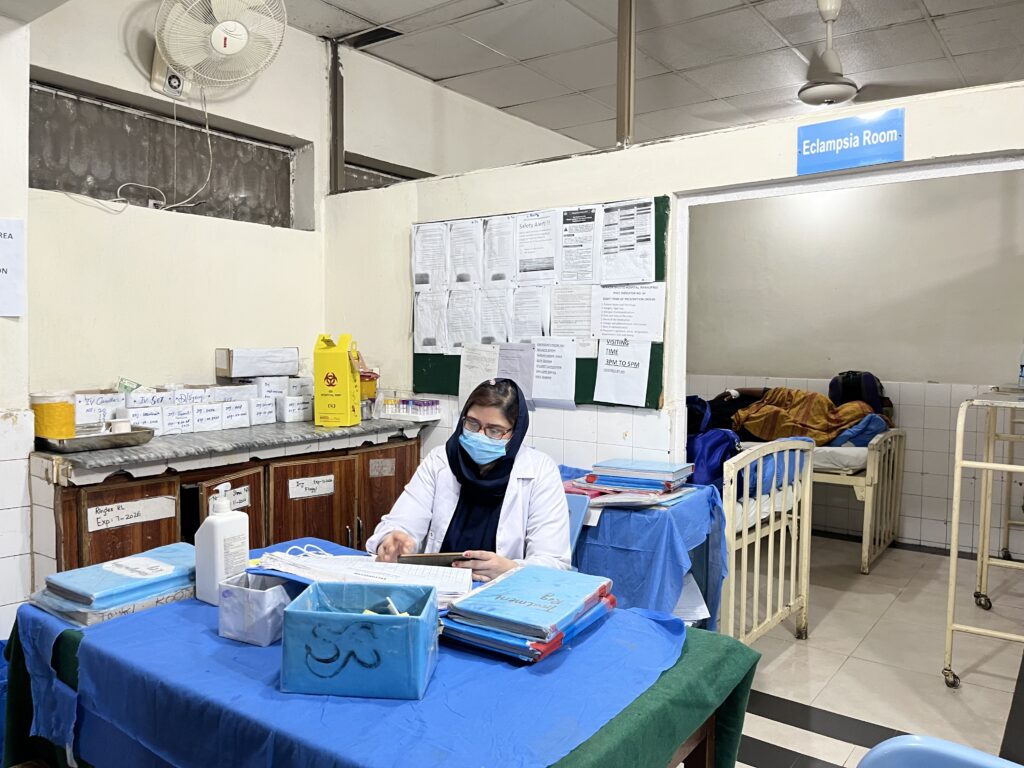
Medical professionals warn that abortion is an extremely sensitive medical procedure requiring strict hygiene and professional care.
“A woman’s body becomes highly vulnerable during abortion,” said Dr Umme Habiba, a gynaecologist at Valley Clinic, Rawalpindi. “Even minor negligence can result in serious or fatal consequences.”
Health worker Ishrat explained that the increasing reliance on midwives for abortion services is a major factor behind unsafe practices. “Most dais are not trained in proper medical procedures. They rely on hearsay methods and operate from small rooms in their homes,” she said.
According to Ishrat, a dai typically charges between Rs4,000 and Rs5,000 per procedure. “They often use basic polythene gloves and work in unhygienic environments. Abortion procedures require sterile conditions to prevent infection, but these standards are rarely met.”
Illegal Abortions
Unsafe abortions are increasingly driven by social stigma, particularly in cases involving unmarried women.
Nasreen* (name changed), a young unmarried girl from Attock district, was brought by her mother to a lady health worker seeking abortion. Whether the pregnancy resulted from rape or an extramarital relationship remains unclear. What was evident, the health worker said, was desperation.
“The mother begged me, saying her daughter’s life and the family’s honour were at stake,” said the health worker, who requested anonymity. “She feared that if the pregnancy became known, her daughter could be killed in the name of honour or ostracised for life.”
Due to legal and religious limitations, the health worker refused to perform the abortion. “After that, families usually turn to backdoor providers,” she added, “placing young girls at grave risk.”
According to a 2008 FIGO situation analysis on unsafe abortions in Pakistan, extramarital pregnancies account for 6.01 percent of abortion cases, while socio-economic reasons contribute 11.58 percent.
What the Data Shows — and Hides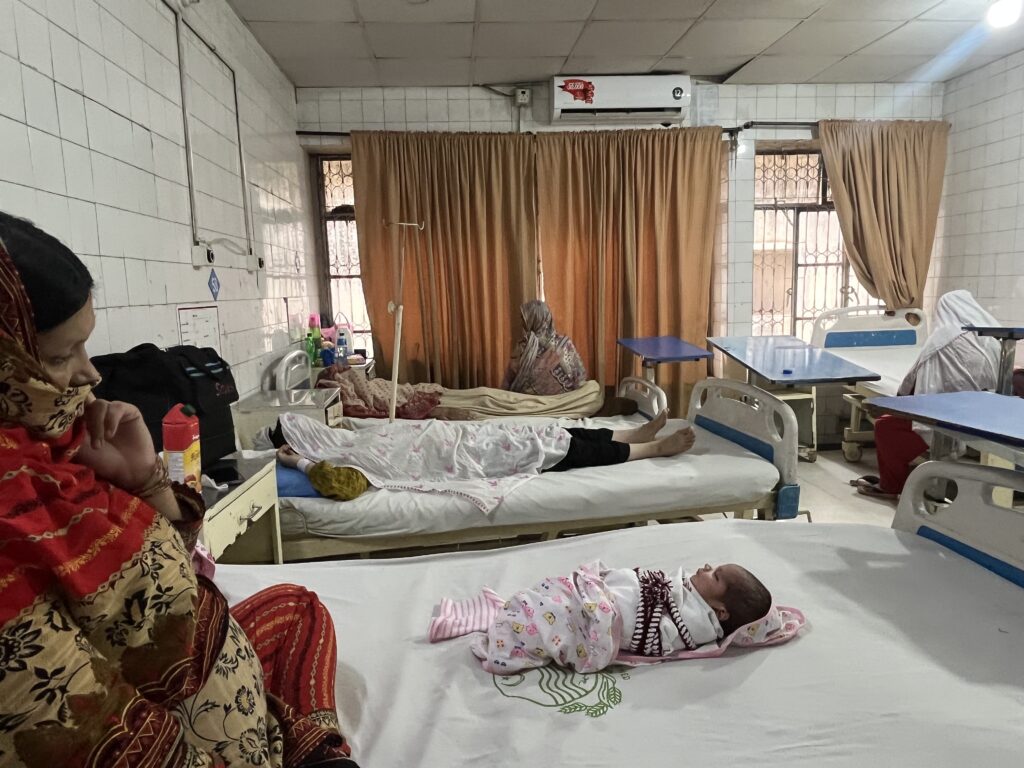
Data obtained under the Punjab Transparency and Right to Information Act 2013 from DHQ Hospital Attock reveals that between January 2018 and July 2022, 1,550 abortion-related cases were treated at the facility. However, none were recorded as induced abortions related to rape, extramarital affairs, or socio-economic reasons.
Instead, all cases were documented under medical grounds such as incomplete abortion, missed abortion, fetal anomalies, placental abruption, or maternal heart disease.
Similar responses were received from other public hospitals across Rawalpindi Division, including DHQ Jhelum. Health professionals say this reflects not the absence of illegal abortions, but their invisibility within the system.
“A large number of abortion cases go unreported due to legal and social fears,” Dr Umme Habiba noted. “We are witnessing a rise in unsafe abortions, which directly contributes to maternal mortality.”
Legal Boundaries and Grey Areas
Pakistan’s abortion law is governed by Sections 338 and 338-B of the Pakistan Penal Code, dealing with Isqat-e-Hamal and Isqat-e-Janin. The law permits abortion only when performed in good faith to save a woman’s life or provide necessary medical treatment.
However, the law does not clearly define “necessary treatment,” leaving the decision to the discretion of medical practitioners. Many doctors, fearing social backlash or holding personal or religious objections, refuse to provide abortion services even when legally permissible.
A senior lawyer, speaking anonymously, observed that the law was drafted on the assumption that pregnancies occur within marriage. “It fails to address cases of rape, incest, underage sexual abuse, or changing social realities,” she said.
Referencing a case from Peshawar, the lawyer highlighted how a rape victim’s petition for abortion was rejected by the court. “If she carries the child, society rejects her. If she seeks abortion, the law criminalises her. Who then bears responsibility for the child, the costs, and the victim’s lifelong trauma?” she asked.
International Commitments and Gaps Pakistan is a signatory to multiple international agreements, including the ICPD Programme of Action, CEDAW, and the Sustainable Development Goals (SDGs), all of which emphasise women’s reproductive rights and access to safe healthcare.
WHO guidelines recommend immediate contraceptive and reproductive care for survivors of sexual violence. However, according to Dr Umme Habiba, no effective state mechanism exists in Pakistan to provide such services to rape survivors.
Unsafe abortion remains one of the leading causes of maternal mortality in Pakistan, undermining progress towards SDG 3 (health) and SDG 5 (gender equality).
The Way Forward
All available evidence indicates that women’s lives and health are being placed at serious risk due to restrictive laws, social taboos, lack of awareness, and poor access to family planning services.
There is an urgent need to:
- Review and amend abortion laws to address rape, incest, and underage sexual abuse
- Establish clear medical guidelines to protect healthcare providers acting in good faith
- Improve access to family planning and post-abortion care
- Create state-supported mechanisms for survivors of sexual violence
- Address women’s economic dependency through education and employment
Without meaningful reform, women — particularly the young, poor, and marginalised — will continue to pay with their health and lives for systemic failures beyond their control.

Comments are closed.